
Mold Removal and Remediation in Long Island, NY
Expert Mold Removal Services in Long Island, NY
Why Choose Global Mold Solutions
We Offer Professional Mold Removal and Remediation Services in Long Island, NY
Mold problems don’t usually start as something obvious. Most homeowners first notice a smell that won’t go away, a damp feeling in the air, or dark spots creeping back no matter how many times the area is cleaned.
If you notice any of these signs in your home, then get in touch with Global Mold Solutions. We handle mold removal and remediation across Long Island homes and businesses. Our focus is simple: find where the moisture is coming from, stop the spread, and clean the affected areas so it doesn’t keep coming back.
We work in basements, attics, crawl spaces, bathrooms, and anywhere mold tends to hide once humidity or water gets trapped.

When Mold Becomes a Real Problem
You most probably won’t notice the mold at first. In many homes, it starts behind walls or under flooring after small leaks, storms, or long-term humidity issues.
For instance, you might notice a persistent musty smell, particularly inside closed rooms or basements. Another sign is peeling paint or soft drywall. You might also notice dark spotting close to vents, ceilings, or window frames. If allergies and irritation gets worse indoors, this is another common sign of mold.
Moreover, condensation that keeps coming back no matter what you try is yet another sign that you most probably have mold in your home or property.
Once mold takes hold, surface cleaning alone usually doesn’t solve it. You need to take care of the moisture source or else the growth returns.
What Makes Mold Problems Harder Than They Look
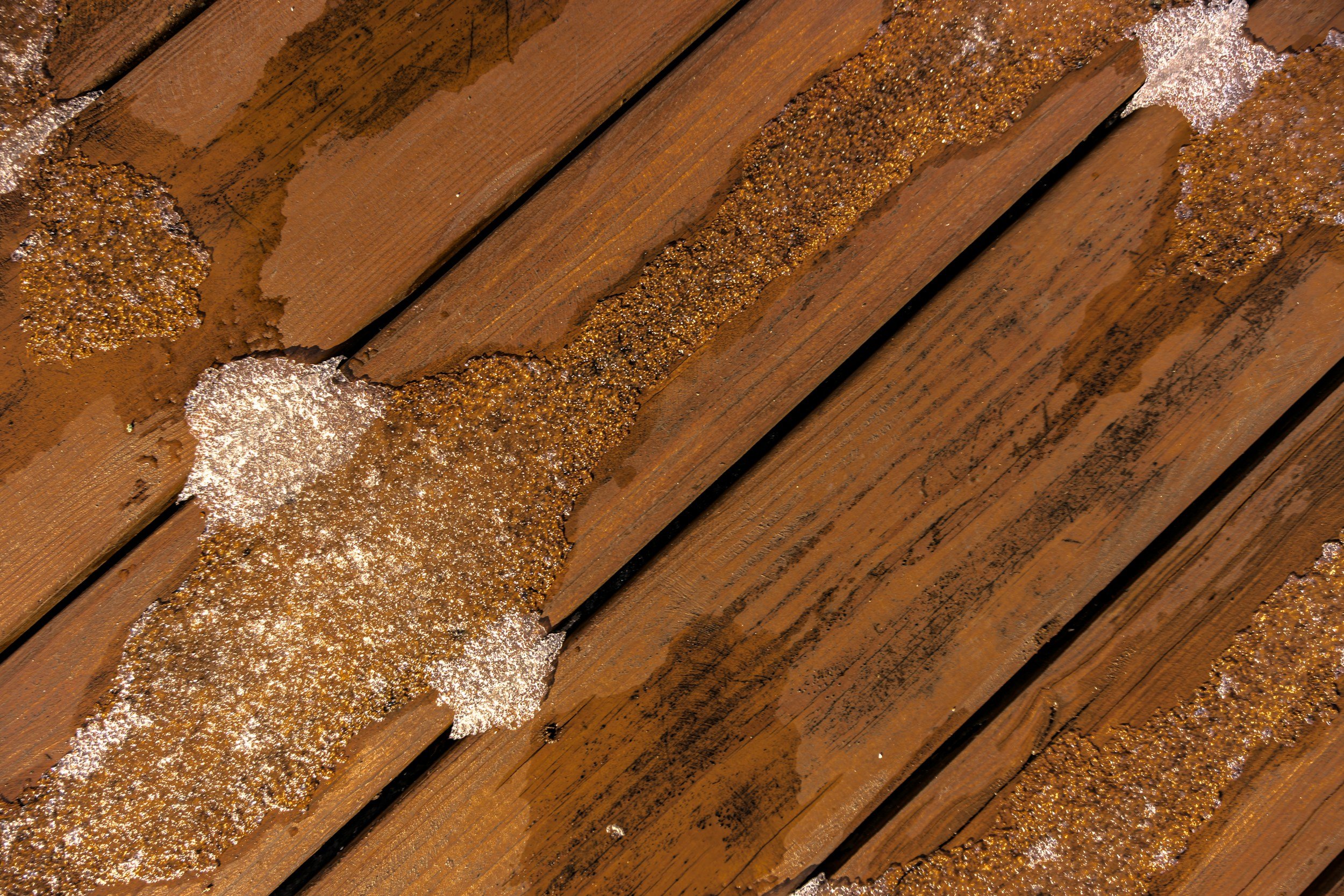
Mold rarely behaves like a surface-level issue. Even when you clean what you can see, the real growth often sits deeper in materials where moisture has been trapped for weeks or even months. That’s why it sometimes returns after paint jobs, store-bought cleaners, or small patch repairs.
What you see is usually just part of the problem. The rest is still active behind walls or inside materials. Once moisture keeps feeding those hidden areas, the growth continues quietly until it shows up somewhere else in the home.
That's when you call Global Mold Solutions for help.

Our Mold Removal Process in Long Island, NY
1.
We Inspect Your Area and Check for Moisture
We start by finding the space where the moisture is coming from and how far the growth has spread. Sometimes the visible area is only a small part of the issue.
2.
Setting Up Containment to Stop Spread
If mold is active, we isolate the area so spores don’t spread into other parts of the home during cleanup.
3.
Air Filtration Using HEPA Systems During Work
We use HEPA filtration to help reduce airborne particles while work is being done.
4.
We Remove the Contaminated Material and Treat the Mold
We get rid of the contaminated materials when necessary, and we use appropriate treatments to clean the affected area based on the surface and the severity.
5.
Drying and Stabilization
Moisture control is the key here. If the area stays damp, then there are high chances of the mold coming back.
6.
Final Inspection and Clearance Check
We confirm the area is cleaned and stabilized before closing out the job.
Our Services in Long Island, NY
-

Mold Removal and Remediation
We handle mold in homes, apartments, basements, attics, and commercial spaces. Every job starts with identifying moisture and ends with stabilizing the environment so it doesn’t return.
-
Water Damage Cleanup
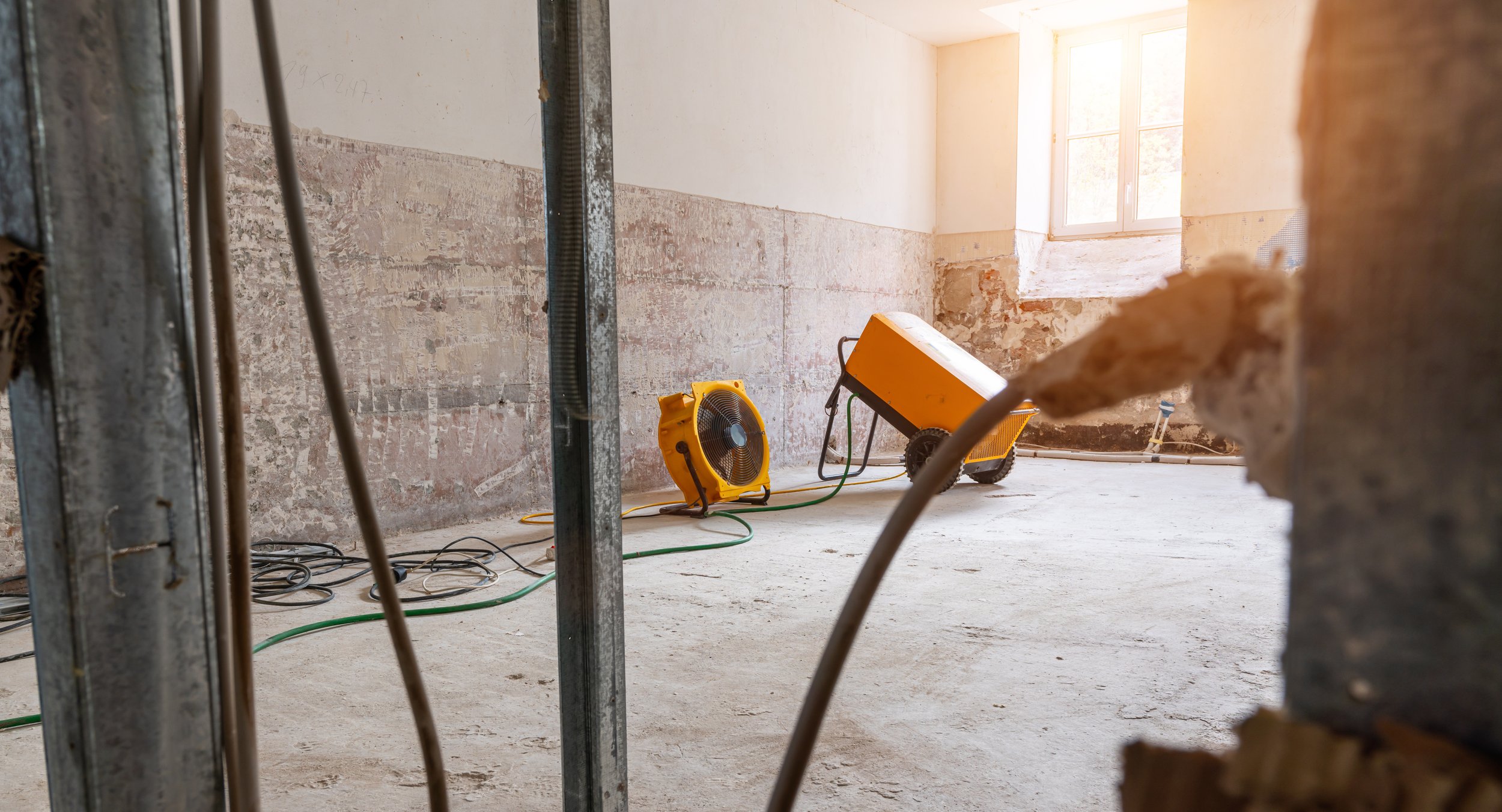
Water problems often lead directly to mold if they sit too long. This includes leaks, storm damage, and basement flooding, which are common issues in coastal Long Island properties.
-
Fire and Smoke Cleanup
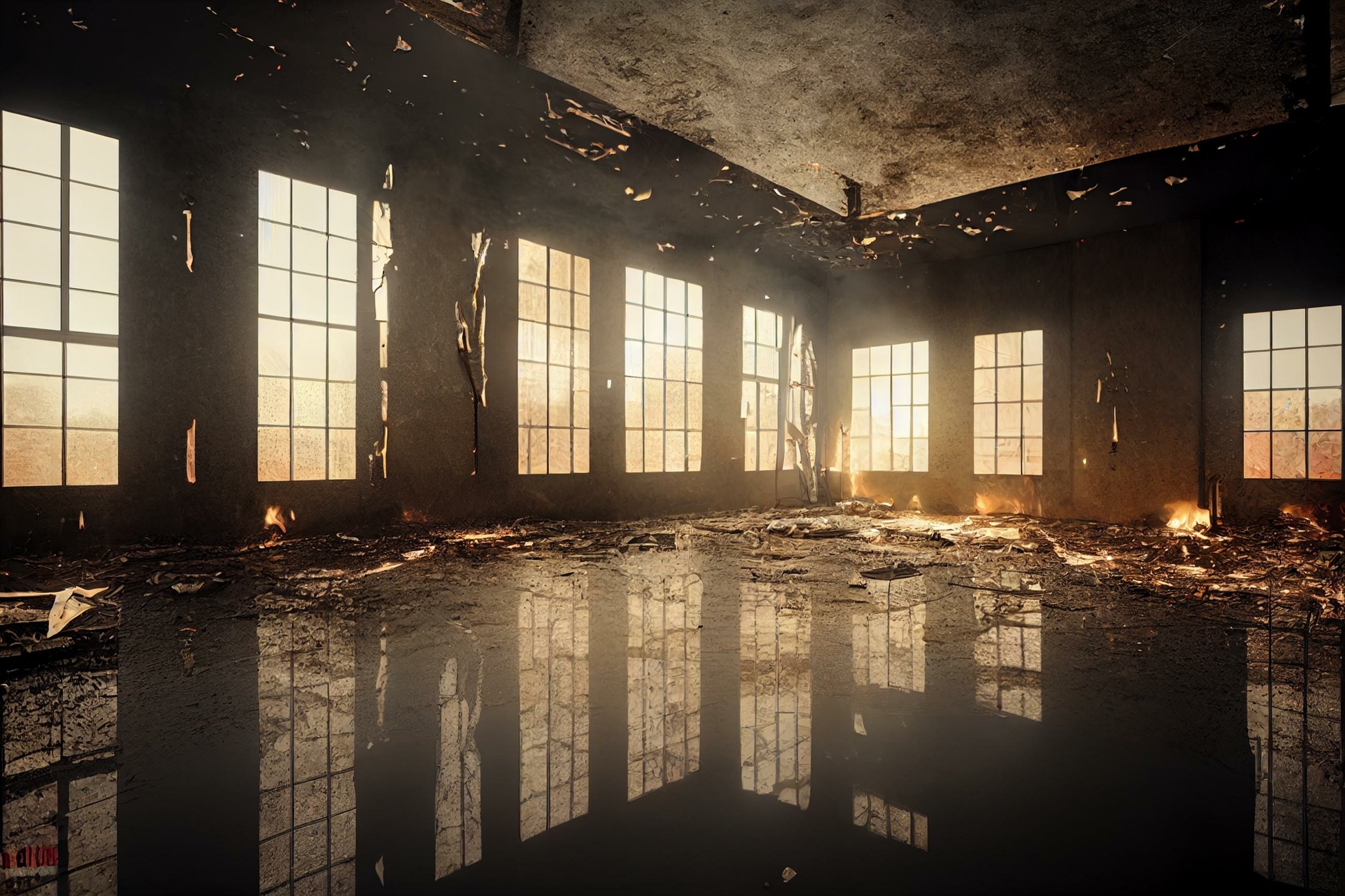
After fire damage, there’s usually soot, odor, and hidden residue inside walls and ventilation systems. We handle cleanup, odor removal, and affected material restoration.
-
Emergency Water Damage Restoration
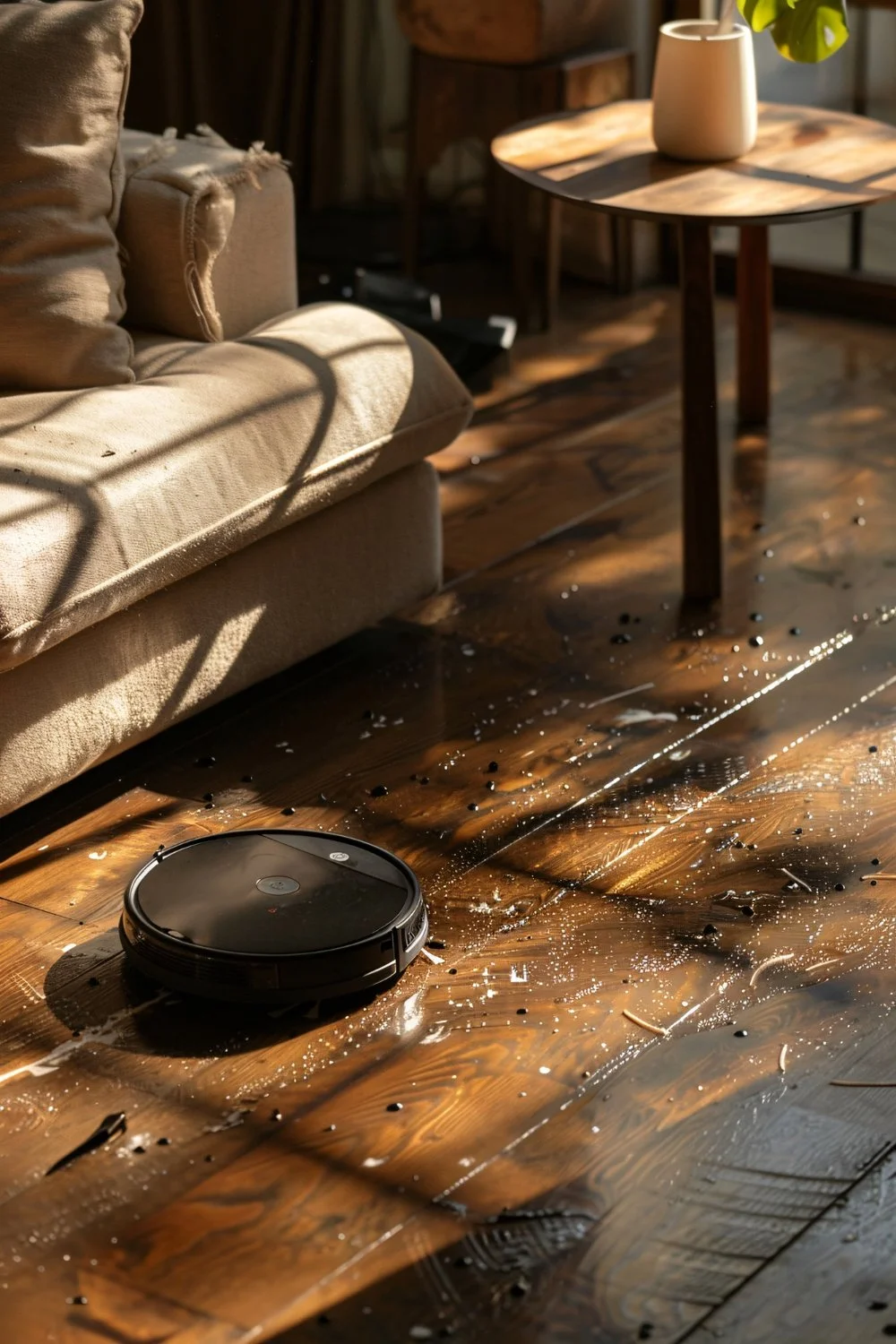
Water damage moves faster than most people expect. Within minutes, it spreads into floors, drywall, insulation, and framing. We respond quickly to extract water, dry affected areas, and stabilize the property before mold starts forming.
What Mold Cleanup Actually Changes
Mold removal makes a noticeable difference in how a space feels and functions day to day. The air smells cleaner, especially in closed rooms like basements or bathrooms where that damp odor tends to linger. Allergy symptoms often ease up indoors once the source gets removed, especially for people sensitive to spores or humidity.
You also stop dealing with the constant return of stains, peeling paint, or that “something’s off” feeling in certain parts of the house. Moisture stops breaking down wood and drywall over time, which helps prevent larger structural issues from developing later.
The bigger change shows up in what you don’t see anymore. Mold doesn’t stay in one place for long once moisture keeps feeding it. It spreads into hidden areas behind walls, under flooring, and into insulation where damage builds quietly. Catching it early keeps repairs smaller and stops the situation from turning into something much more expensive down the line.

Why Homeowners and Businesses Call Us for Mold Removal in Long Island, NY
Most people don’t call until the problem spreads further than they expected.
We usually get involved when a “fixed” leak starts smelling again or when a basement keeps turning damp every season. Mold also comes back after DIY cleaning when the real moisture issue never gets solved. Sometimes renovation work opens up a wall or floor and suddenly exposes growth that was hidden for years.
People call us because they want the source found and dealt with, and not just the surface cleaned. They want the area contained properly so it doesn’t spread while work is happening. And they want it handled in a way that actually stops it from returning, instead of going through the same cycle again a few months later

Our Reviews
“Great work! Phil is a great guy! The foreman paid attention to every detail and really went above and beyond. They clean EVERYTHING from top to bottom.”
— Jalik Parham
“I can’t say enough great things about Phil, Ricardo and his guys! They were knowledgable, helpful, efficient and left the place looking great! I highly recommend them! Thanks again!”
— Susan
Request a Mold Inspection in Long Island, NY Today
If you’re unsure what you’re dealing with, a quick inspection can usually clarify the situation.
We’ll look at the affected areas, check moisture levels, and explain what’s actually happening without overcomplicating it.
FAQs About Mold Removal Services in Long Island, NY
-
It starts with identifying moisture sources and affected areas, then containing, removing, and cleaning the impacted materials. Drying and verification come last to prevent recurrence.
-
Yes, when handled properly. We use containment, filtration, and protective procedures to prevent spread during cleanup.
-
Small areas can take a few days. Larger or hidden infestations may take longer depending on moisture conditions and material damage.
-
We service Suffolk County, Nassau County, and Queens.
-
In some cases, yes. It depends on where the mold is and how widespread it has become. If we’re working in a contained area like a basement or a single room, most people stay in the home without any issues.
For larger jobs where multiple areas are affected, we usually recommend limiting access until the work is complete.
-
Mold usually returns when moisture is still present somewhere in the structure. That can come from slow leaks, poor ventilation, high humidity, or water that was never fully dried after damage.
If the source isn’t fixed, surface cleaning only delays the problem. That’s why we focus on finding where the moisture is coming from before we start removal.