
Long Island's #1 Water Damage Restoration Experts
Water Damage Restoration in Long Island, NY
A burst pipe, storm surge, or leaking appliance can turn into a much bigger problem in a matter of hours. In many Long Island homes, the real damage often shows up after the water is gone, when moisture has already worked its way into walls, flooring, and insulation.
Our water damage restoration process focuses on stopping that chain reaction early. The goal is to remove standing water quickly, dry the structure properly, and stabilize the space before mold has a chance to form. Since every property is different, so the response always depends on how far the moisture has traveled and what materials have been affected.
Long Island properties deal with a mix of coastal humidity, seasonal storms, and plumbing issues that often hide behind walls or under floors. That combination makes fast action important.
What Water Damage Usually Leads To
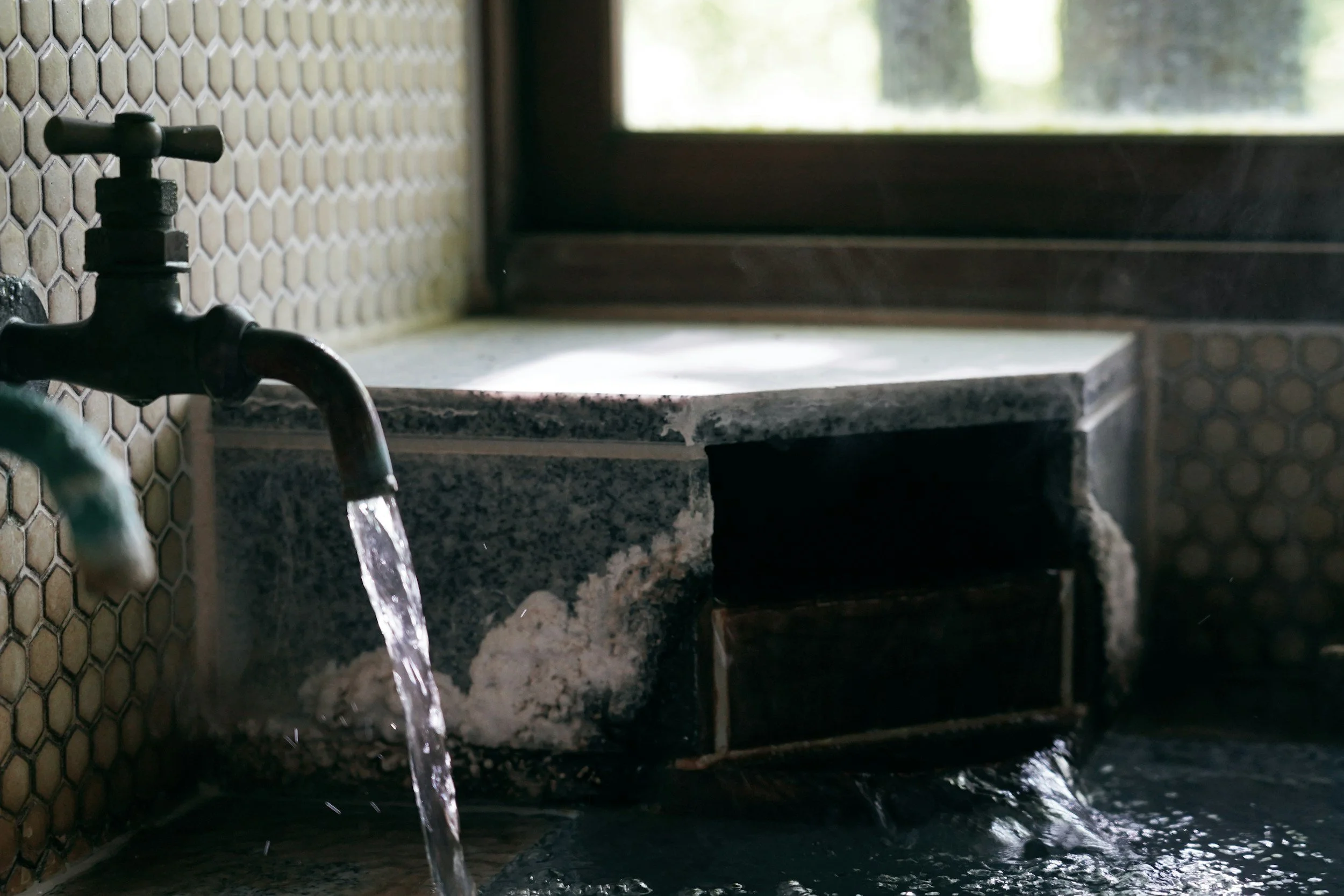
You might notice warped flooring, soft drywall, or staining that keeps spreading even after surface drying. In some cases, the first warning sign is a persistent damp smell that doesn’t go away no matter how much you clean or ventilate the space.
The bigger concern is what happens after the visible signs appear. Moisture trapped inside walls or under flooring creates the right conditions for mold growth, weakening materials over time and making repairs more expensive later on.
Areas of the Home Most Affected by Water Damage
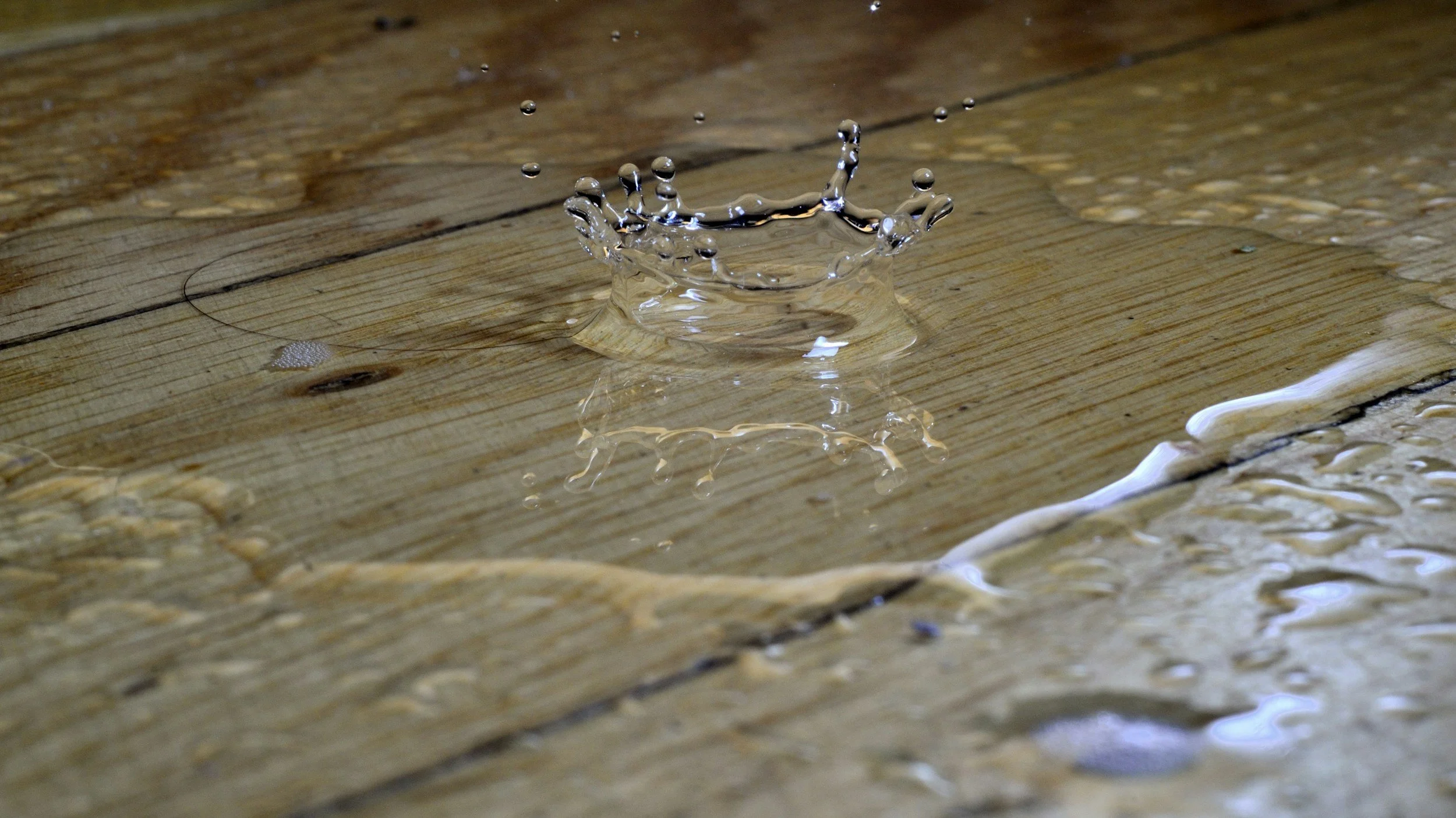
Water doesn’t spread evenly through a home. It moves toward lower levels, gets trapped in certain materials, and often hides in places that aren’t immediately visible.
Basements are usually the first to feel it. They stay cooler, hold moisture longer, and often take on water during storms or foundation seepage. Even when the surface looks dry, humidity usually lingers for a while.
Bathrooms and kitchens deal with smaller but more frequent issues. Leaks under sinks, around fixtures, or behind appliances can go unnoticed until the damage starts showing through flooring or walls.
When it comes to attics, roof leaks or poor ventilation allow water to settle into insulation, where it slowly builds up over time without obvious signs.
The most complicated cases are the ones behind walls or under flooring. These areas don’t show immediate damage, but they hold moisture long enough to create bigger issues later if they’re not caught early.

Common Mistakes Homeowners Make After Water Damage
After water damage happens, the first reaction is usually to clean and dry everything as quickly as possible. That makes sense, but a few common mistakes can actually make the situation worse.
One of the biggest issues is waiting too long to take action. Even a short delay gives moisture more time to settle deeper into materials, especially in hidden areas.
Another common mistake is relying only on household fans or surface drying. It may feel like things are improving, but moisture inside walls and floors often stays untouched.
Some homeowners also try to repair or repaint areas too soon. Once that happens, the visible damage might disappear, but the moisture underneath continues to spread.
There’s also the assumption that a light smell will go away on its own. In most cases, that smell is a sign that moisture is still trapped somewhere in the structure.
The problem usually isn’t just what happened right after the water entered the home. It’s what gets missed in the cleanup process that creates bigger issues later on.
Types of Water Damage We Handle
The type of water involved often decides how quickly it spreads and how much cleanup is needed.
Clean water usually comes from sources like burst pipes, appliance leaks, or supply line issues. It may look harmless at first, but it still seeps into floors and walls quickly if it isn’t handled early.
Gray water is a step further. This comes from things like washing machines, dishwashers, or overflow situations where the water has picked up contaminants along the way. It needs faster attention because it doesn’t stay stable for long.
Then there’s flood or contaminated water, which typically comes from storms, sewage backups, or heavy external intrusion. These situations spread quickly and usually affect multiple areas at once, especially in basements and ground-level rooms across Long Island homes.
Each type behaves differently once inside a structure, which is why the response always depends on what kind of water caused the damage in the first place.
How the Water Damage Restoration Process Works
01
Finding the Source and Understanding the Spread
The first step is figuring out where the water actually started and how far it has traveled. Sometimes the visible area is misleading, since water often moves behind walls, under flooring, or into lower structural layers.
Once the source is clear, it becomes easier to understand what areas are safe and what areas need immediate attention.
02
Stopping the Spread and Protecting Clean Areas
After identifying the affected zones, the next step is to contain the space. This helps prevent moisture from moving into unaffected parts of the property during the cleanup process.
In practical terms, this means separating wet areas from dry ones so the damage doesn’t expand while work is in progress.
03
Removing Standing Water and Excess Moisture
Water removal starts as soon as the area is secured. Standing water is extracted using specialized equipment designed for both surface water and deeper saturation points.
04
Drying the Structure from the Inside Out
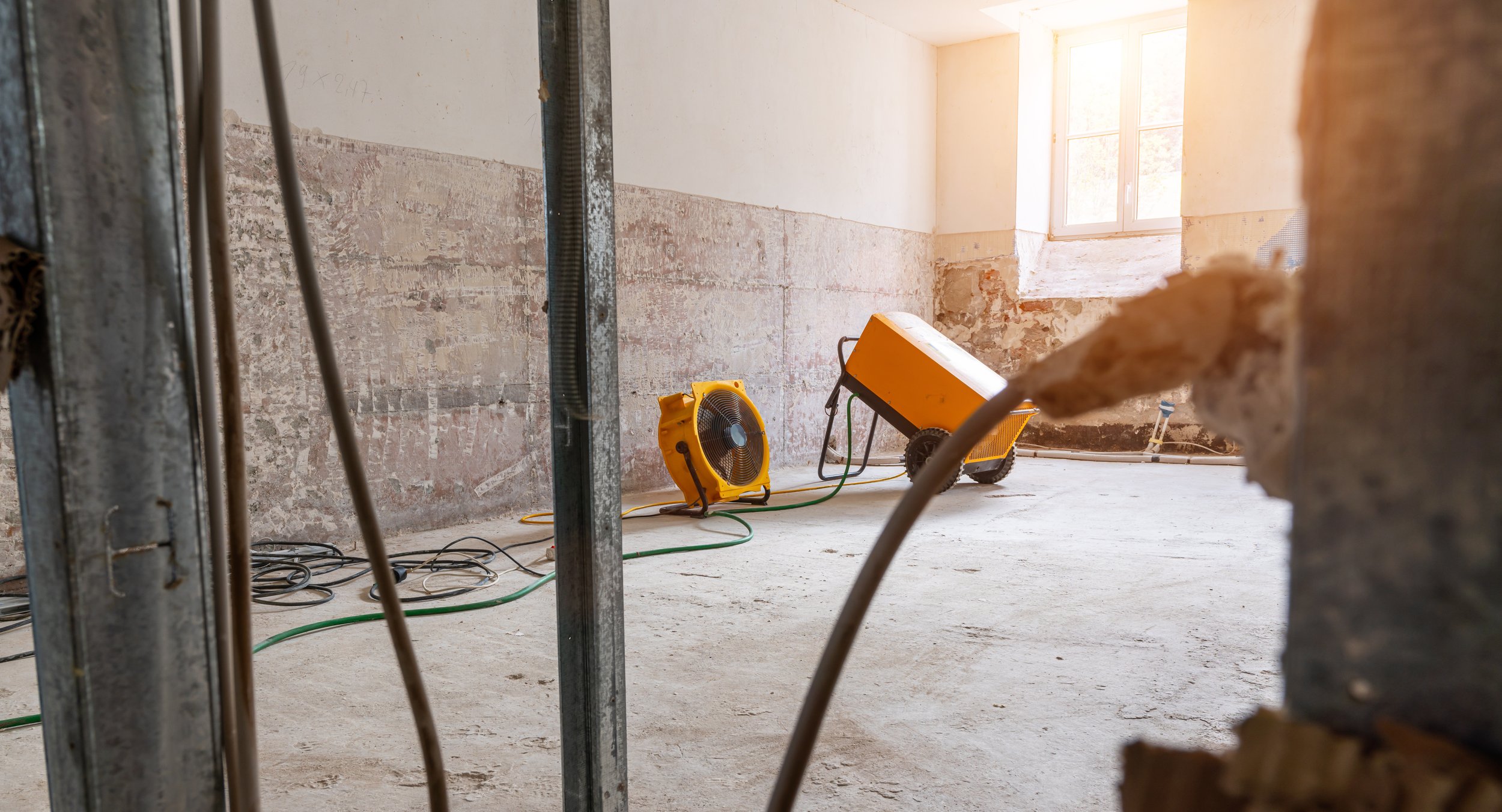
Once the bulk water is gone, the drying phase begins. This step focuses on pulling moisture out of structural materials using controlled airflow and dehumidification.
Air movement and humidity levels are adjusted based on how the property is responding, since different materials release moisture at different rates.
05
Checking What Can Be Saved and What Needs Attention
After drying progresses, each area is thoroughly checked to see what can be restored and what may need repair or removal. Some materials recover well once dried, while others lose integrity after prolonged exposure.
06
Final Moisture Verification and Stability Check
Before the job is considered complete, moisture levels are tested again across all affected areas. This includes spots that may look dry on the surface but still hold dampness internally.
The process only wraps up once the structure is stable, dry, and no longer at risk of continued damage or mold development.

Emergency Water Damage Response in Long Island
When water damage happens, timing matters. The first few hours often decide how much of the structure can be saved.
Emergency response includes immediate water extraction, moisture tracking, and controlled drying to slow down further spread. Industrial-grade drying equipment helps pull moisture out of materials that look dry on the surface but aren’t underneath.
Once the standing water is removed, the focus shifts to stabilizing the property so damage doesn’t continue in hidden areas.

Dealing with water damage is stressful enough without the added pressure of insurance paperwork. Most sudden water-related incidents are covered under standard homeowner policies, but the process can get complicated quickly.
Support typically includes documentation of the damage, moisture readings, and detailed reporting that helps with claims. Communication with adjusters also helps clarify what work is needed and why it’s necessary, reducing delays during approval.
Insurance Support for Water Damage Claims

Why Homeowners and Businesses in Long Island Trust Global Mold Solutions
Global Mold Solutions is trusted across Long Island because we are trained, certified professionals who follow industry standards on every project. As a New York State certified mold remediation company and an IICRC-certified provider, we follow established protocols for inspection, containment, removal, and restoration instead of improvised methods.
Clients also value the experience behind our service. We’ve worked on a wide range of residential and commercial properties, from small leaks in single rooms to large-scale water and mold damage affecting multiple areas. That experience shows in how quickly we handle a situation and how accurately we choose the right methods.
Another reason people rely on us is the accountability we build into every job. We oversee each project to make sure the work is done correctly, with proper documentation and clear communication. This helps remove a lot of the stress that usually comes with water or mold damage situations.
Get Help With Water Damage Before It Spreads
Water damage moves fast, and waiting usually makes the situation harder to control. A quick inspection can help identify how far the moisture has traveled and what needs to be done next.
Global Mold Solutions provides water damage restoration services across Long Island with a focus on fast response, proper drying, and long-term prevention.
Call today or request an inspection to get started.
What Our Customers Are Saying
Frequently Asked Questions
Contact Our Water Damage Restoration Experts Today
Don't let water damage compromise your Long Island or Queens property. Global Mold Solutions provides the rapid response, expert restoration, and personalized service you need during this stressful time.
24/7 Emergency Water Damage Hotline: (631) 735-6606
Email: help@globalmoldsolutions.com
Service Areas: Nassau County, Suffolk County, Queens, Manhattan
Certifications: IICRC Certified, New York State Licensed
Why Wait? Every minute counts when dealing with water damage. Call now for immediate assistance from Long Island's trusted water damage restoration specialists.
-
We provide 60-minute response times to most Long Island and Queens locations, 24/7/365. When you call, we immediately dispatch our emergency response team.
-
Timeline varies based on damage extent, but most residential water damage projects take 3-7 days. We provide a detailed timeline after our initial inspection.
-
Most homeowners policies cover sudden and accidental water damage (burst pipes, appliance failures, storm damage). We work directly with your insurance company to maximize coverage.
-
In many cases, yes. We work to minimize disruption and can often contain affected areas. For extensive damage or Category 3 water, temporary relocation may be necessary.
-
Rapid response and thorough drying are key. We extract water immediately, deploy industrial drying equipment, monitor moisture levels daily, and apply antimicrobial treatments to prevent mold.
-
Yes. Global Mold Solutions is a full-service restoration company. We handle everything from emergency water extraction through final repairs and painting.
-
Stop the water source if possible
Turn off electricity in affected areas
Move valuable items to dry areas
Call Global Mold Solutions: (631) 735-6606
Document damage with photos for insurance
Do NOT use household vacuums on standing water