
Emergency Water Damage Restoration in Queens: Complete Guide
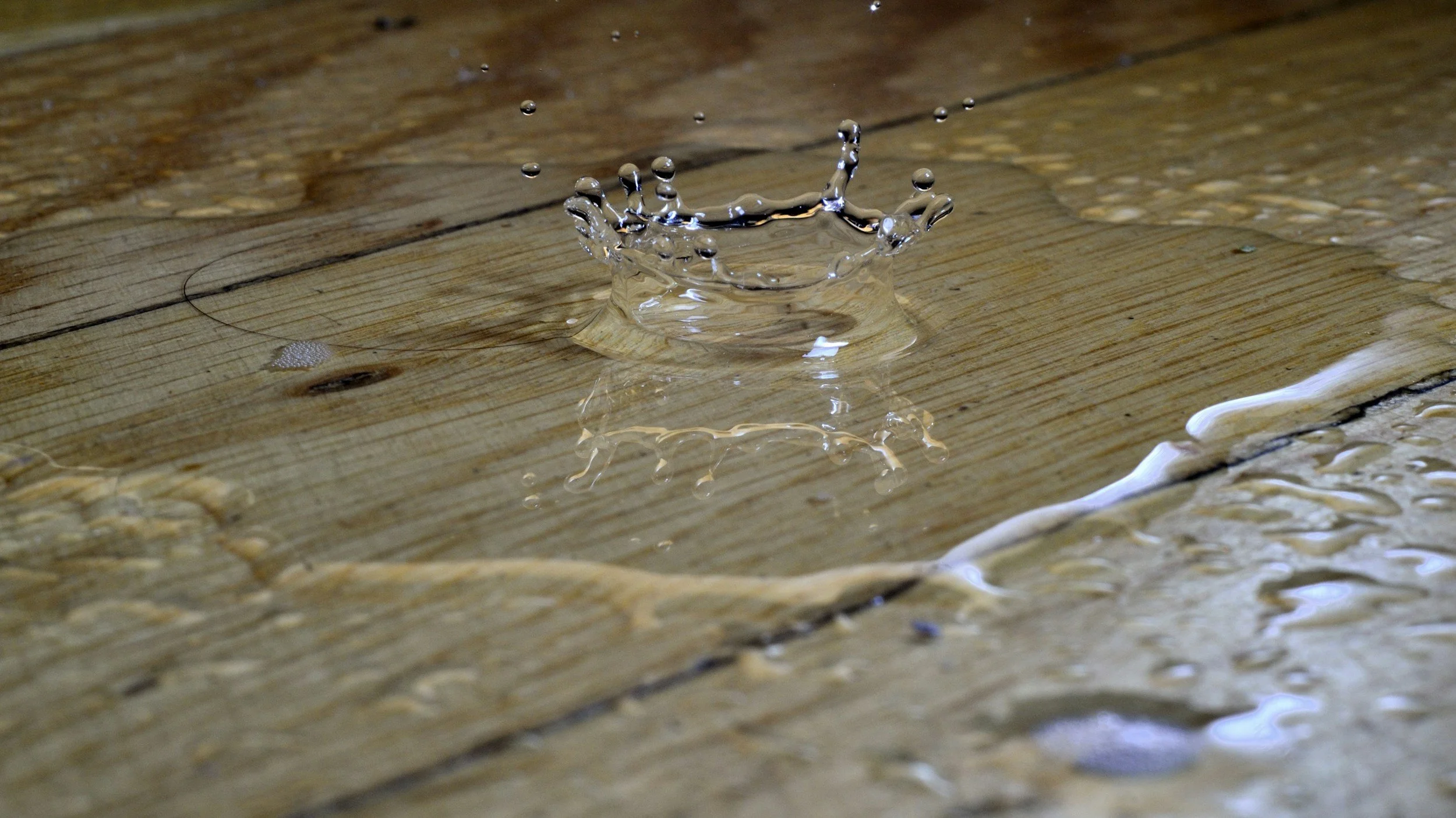
Queens homeowners face unique water damage challenges due to the borough's diverse housing stock, aging infrastructure, coastal proximity, and dense urban environment. From historic homes in Forest Hills to modern apartments in Long Island City, water damage can strike any property without warning—and when it does, rapid professional response is essential.
Global Mold Solutions has provided emergency water damage restoration services across Queens since 2016. This comprehensive guide covers everything Queens residents need to know about water damage restoration, from immediate response to complete recovery.
Understanding Water Damage in Queens
Queens' unique characteristics create specific water damage vulnerabilities:
Aging Infrastructure
Many Queens neighborhoods feature homes and apartment buildings constructed 50-100 years ago. Aging plumbing systems, outdated drainage, and deteriorating building materials increase water damage risk.
Diverse Housing Stock
From single-family homes in Bayside to high-rise apartments in Astoria, Queens' varied housing types each present distinct water damage challenges requiring specialized restoration approaches.
Coastal Proximity
Queens' location along the East River, Long Island Sound, and Jamaica Bay means coastal flooding risk during storms, high ambient humidity that complicates drying, and salt air that accelerates corrosion.
Urban Density
Dense development means water damage in one unit can quickly affect neighboring properties. Shared walls, common plumbing, and multi-level buildings require coordinated restoration efforts.
Storm Vulnerability
Queens experiences nor'easters, hurricanes, and severe thunderstorms that can cause widespread flooding, roof damage, and power outages complicating water damage response.
Common Causes of Water Damage in Queens
Burst Pipes
Queens' cold winters cause frozen pipes that burst when temperatures rise. Aging copper and galvanized pipes in older homes are particularly vulnerable. A single burst pipe can release hundreds of gallons per hour, flooding multiple rooms within minutes.
Basement Flooding
Heavy rainfall overwhelms aging sewer systems, causing basement backups. High water tables and inadequate drainage systems make basement flooding common across Queens neighborhoods.
Appliance Failures
Water heaters, washing machines, dishwashers, and refrigerators fail without warning. In multi-family buildings, one appliance failure can affect multiple units.
Roof Leaks
Storm damage, aging roofing materials, and inadequate maintenance allow water penetration. Flat roofs common in Queens apartment buildings are especially prone to ponding and leaks.
Sewage Backups
Combined sewer systems in older Queens neighborhoods can back up during heavy rain, sending contaminated water into basements and lower-level units.
HVAC Condensation
Air conditioning systems produce significant condensation. Clogged drains or malfunctioning condensate pumps can cause water damage to ceilings, walls, and floors.
Plumbing Leaks
Slow leaks behind walls, under sinks, or in bathrooms often go undetected until significant damage occurs. These hidden leaks can cause extensive mold growth and structural damage.
Storm Damage
Hurricanes and nor'easters bring heavy rain, wind-driven water intrusion, and coastal flooding. Hurricane Sandy demonstrated Queens' vulnerability to catastrophic storm-related water damage.
The Emergency Water Damage Restoration Process
Step 1: Emergency Contact (0-5 Minutes)
When water damage strikes, call Global Mold Solutions immediately at (631) 735-6606. Our 24/7 emergency line connects you directly with our response team. We'll gather essential information:
Location and extent of water damage
Water source and category (clean, gray, or black water)
Safety concerns (electrical hazards, structural damage)
Insurance information
Access instructions for your property
We dispatch our emergency crew immediately while you're still on the phone.
Step 2: Rapid Response (5-60 Minutes)
Our fully equipped emergency response vehicles are strategically positioned to reach most Queens locations within 60 minutes. We arrive with:
Truck-mounted water extraction systems
Industrial air movers and dehumidifiers
Moisture detection equipment (thermal imaging, moisture meters)
Antimicrobial treatments
Personal protective equipment
Documentation tools for insurance claims
Step 3: Safety Assessment & Damage Inspection (60-90 Minutes)
Upon arrival, our IICRC-certified technicians conduct a thorough safety and damage assessment:
Identify and stop the water source if still active
Assess electrical hazards and shut off power if necessary
Evaluate structural safety (sagging ceilings, compromised floors)
Classify water category (clean, gray, or black water)
Measure moisture levels in affected materials
Document damage with photos and detailed notes for insurance
Develop a comprehensive restoration plan
Step 4: Water Extraction (1-4 Hours)
We immediately begin removing standing water using industrial extraction equipment:
Truck-mounted extractors remove thousands of gallons per hour
Portable extractors access tight spaces and upper floors
Specialized tools extract water from carpets, padding, and upholstery
We remove water from structural cavities and hidden spaces
Rapid extraction is critical—every minute water remains increases damage and mold risk.
Step 5: Content Protection & Removal
We protect and relocate your belongings:
Move furniture and contents to dry areas
Inventory and photograph all affected items
Pack out severely damaged contents for off-site restoration if needed
Apply protective barriers to unaffected areas
Dispose of unsalvageable materials properly
Step 6: Structural Drying (3-7 Days)
Professional drying is essential for complete restoration:
Deploy commercial air movers to create optimal airflow
Position industrial dehumidifiers to remove moisture from the air
Monitor moisture levels in walls, floors, and ceilings multiple times daily
Adjust equipment positioning based on drying progress
Use specialized drying techniques for hardwood floors, plaster walls, and other materials
Document drying progress with daily moisture readings
Queens' high humidity requires professional-grade dehumidification—consumer equipment and natural air drying are insufficient.
Step 7: Cleaning & Sanitization
Once materials are dry, we thoroughly clean and sanitize all affected areas:
Apply EPA-approved antimicrobial treatments to prevent mold growth
Clean and sanitize all surfaces, including walls, floors, and contents
HEPA vacuum to remove dust and contaminants
Deodorize to eliminate musty odors
Clean HVAC systems if affected
Treat carpets and upholstery with professional cleaning methods
Step 8: Restoration & Repairs
We handle all necessary repairs to restore your property to pre-loss condition:
Replace damaged drywall, insulation, and flooring
Repair or replace baseboards, trim, and molding
Paint and finish work to match existing décor
Restore bathrooms, kitchens, and other specialized spaces
Coordinate with plumbers, electricians, and other trades as needed
Ensure all work meets New York building codes
Step 9: Final Inspection & Documentation
Before completing the project, we conduct a final walkthrough:
Verify all moisture levels are within acceptable ranges
Ensure all repairs meet quality standards
Confirm your complete satisfaction
Provide comprehensive documentation for insurance claims
Offer guidance on preventing future water damage
Water Damage Categories: What Queens Residents Need to Know
The IICRC classifies water damage into three categories based on contamination level. Understanding these categories is essential for proper restoration and safety.
Category 1: Clean Water
Source: Supply lines, faucets, appliance supply lines, rainwater (before ground contact)
Characteristics: Sanitary water that poses no immediate health risk
Examples in Queens Homes:
Burst supply line under sink
Water heater pressure relief valve discharge
Toilet tank (not bowl) overflow
Rainwater from roof leak
Restoration Approach: Standard extraction and drying procedures. Materials can often be salvaged with proper drying.
Important: Category 1 water degrades to Category 2 within 48 hours if not properly addressed.
Category 2: Gray Water
Source: Washing machines, dishwashers, toilet overflow (urine only), aquarium leaks
Characteristics: Contains some contamination; may cause discomfort or illness if contacted
Examples in Queens Homes:
Washing machine overflow
Dishwasher backup
Sump pump failure water
Broken aquarium
Restoration Approach: Enhanced safety protocols, thorough cleaning and sanitization, antimicrobial treatments. Porous materials like carpet padding typically require disposal.
Important: Category 2 water degrades to Category 3 within 48 hours or if it contacts contaminated surfaces.
Category 3: Black Water
Source: Sewage, toilet overflow (feces), flooding from rivers/streams, standing water with microbial growth
Characteristics: Highly contaminated; contains pathogenic agents; poses serious health risks
Examples in Queens Homes:
Sewage backup from main line
Toilet overflow containing feces
Storm surge or coastal flooding
Any standing water present for 48+ hours
Restoration Approach: Strict safety protocols including PPE, extensive material removal, thorough disinfection, HEPA air filtration. Most porous materials require disposal.
Important: Category 3 water requires professional restoration—never attempt DIY cleanup.
Queens Neighborhood-Specific Considerations
Astoria & Long Island City
Challenges: High-rise buildings, shared plumbing systems, industrial conversions, basement flooding from aging infrastructure
Considerations: Water damage in upper floors can affect multiple units below. Coordinate with building management and neighbors. Elevator access for equipment.
Forest Hills & Kew Gardens
Challenges: Historic homes, aging plumbing, mature tree roots affecting sewer lines, basement flooding
Considerations: Preservation of historic materials, specialized restoration techniques for plaster walls and hardwood floors.
Flushing & Bayside
Challenges: Mix of old and new construction, basement flooding, coastal proximity, diverse building types
Considerations: Language accessibility for diverse communities, coordination with co-op and condo boards.
Jamaica & South Jamaica
Challenges: Aging infrastructure, basement apartments, combined sewer systems, flood-prone areas
Considerations: Tenant rights and landlord responsibilities, affordable restoration options, flood prevention strategies.
Rockaway Peninsula
Challenges: Coastal flooding, hurricane vulnerability, salt air corrosion, high water tables
Considerations: Storm surge preparation, flood-resistant materials, coordination with FEMA and flood insurance.
Elmhurst & Jackson Heights
Challenges: Dense multi-family buildings, shared plumbing, basement flooding, aging infrastructure
Considerations: Multi-unit coordination, building code compliance, tenant displacement management.
Insurance Claims for Queens Water Damage
What's Typically Covered
Most Queens homeowners and renters insurance policies cover:
Sudden and accidental water damage (burst pipes, appliance failures)
Storm damage (wind-driven rain, roof leaks from storm damage)
Accidental overflow or discharge
Water damage from firefighting efforts
What's Typically NOT Covered
Standard policies usually exclude:
Flood damage (requires separate flood insurance)
Gradual leaks or maintenance-related damage
Sewer backup (unless you have sewer backup coverage endorsement)
Damage from neglected maintenance
Maximizing Your Insurance Claim
Document Everything:
Take photos and videos immediately
Keep all receipts for emergency repairs and temporary housing
Maintain a detailed inventory of damaged items
Save damaged items until insurance adjuster inspects
Act Quickly:
Report claims within 24-48 hours
Begin emergency mitigation immediately (most policies require this)
Keep detailed records of all communications with insurance company
Work with Professionals:
Hire IICRC-certified restoration companies like Global Mold Solutions
Provide insurance company with detailed professional estimates
Allow restoration company to communicate directly with adjuster
Understand your policy coverage and deductible
Know Your Rights:
You have the right to choose your restoration company
Insurance companies cannot require you to use their preferred vendors
You're entitled to full coverage up to your policy limits
You can dispute claim denials or lowball settlements
Preventing Water Damage in Queens Homes
Regular Maintenance
Inspect plumbing annually, especially in homes over 30 years old
Replace washing machine hoses every 5 years
Service water heaters annually
Clean gutters and downspouts seasonally
Inspect roof annually and after major storms
Test sump pumps before rainy season
Winterization
Insulate pipes in unheated areas (basements, crawl spaces, exterior walls)
Disconnect and drain outdoor hoses
Know location of main water shutoff valve
Keep heat at minimum 55°F when away during winter
Open cabinet doors during extreme cold to allow warm air circulation
Appliance Monitoring
Install water leak detectors near water heaters, washing machines, and under sinks
Replace old appliances before they fail
Turn off water supply to washing machines when not in use
Install automatic shutoff valves on water heaters and washing machines
Basement Protection
Install and maintain sump pump with battery backup
Consider backwater valve installation to prevent sewer backups
Seal basement walls and floors
Improve grading around foundation to direct water away
Install window well covers
Storm Preparation
Keep gutters and downspouts clear
Trim trees near roof and power lines
Inspect and repair roof before hurricane season
Have emergency supplies ready (flashlights, battery-powered radio, emergency contacts)
Know your evacuation zone if in coastal areas
Why Choose Global Mold Solutions for Queens Water Damage
Local Expertise
We've served Queens communities since 2016, understanding the unique challenges of the borough's diverse neighborhoods and housing types.
Rapid Response
Our strategic location allows 60-minute response times to most Queens neighborhoods, 24/7/365.
IICRC Certified
Our technicians hold industry-leading certifications and follow proven restoration protocols.
Owner-Involved Service
Owner Phil Faraci personally oversees every project, ensuring quality and accountability.
Complete Restoration
We handle everything from emergency extraction through final repairs—no need to coordinate multiple contractors.
Insurance Expertise
We work directly with insurance companies, providing detailed documentation and maximizing your coverage.
Advanced Equipment
We use industrial-grade extraction, drying, and monitoring equipment specifically designed for water damage restoration.
Frequently Asked Questions
How quickly should I call for water damage restoration? Immediately. Every hour increases damage and mold risk. Call Global Mold Solutions 24/7 at (631) 735-6606.
Can I stay in my Queens home during restoration? Often yes, especially for localized damage. For extensive damage or Category 3 water, temporary relocation may be necessary.
How long does water damage restoration take? Most residential projects take 3-7 days for drying, plus additional time for repairs depending on extent of damage.
Will my co-op or condo board need to be involved? Yes, notify your building management immediately. They may have specific requirements or preferred vendors.
What if water damage affects my neighbors? Notify them immediately and provide your insurance information. Your liability coverage may apply.
Do you work with flood insurance? Yes, we work with all insurance types including FEMA flood insurance common in coastal Queens neighborhoods.
Emergency Water Damage? Call Now
Don't let water damage compromise your Queens property. Global Mold Solutions provides rapid, professional emergency water damage restoration across all Queens neighborhoods.
24/7 Emergency Hotline: (631) 735-6606
Service Areas: Astoria, Flushing, Forest Hills, Jamaica, Bayside, Elmhurst, Jackson Heights, Rego Park, Kew Gardens, Long Island City, Ridgewood, Woodside, and all Queens neighborhoods
Certifications: IICRC Certified | New York State Licensed | Fully Insured
Response Time: 60 minutes to most Queens locations
Why Wait? Every minute counts. Call now for immediate professional water damage restoration.
Global Mold Solutions - Your trusted Queens water damage restoration specialists since 2016. Owner Phil Faraci and our IICRC-certified team are committed to restoring your property and your peace of mind.