
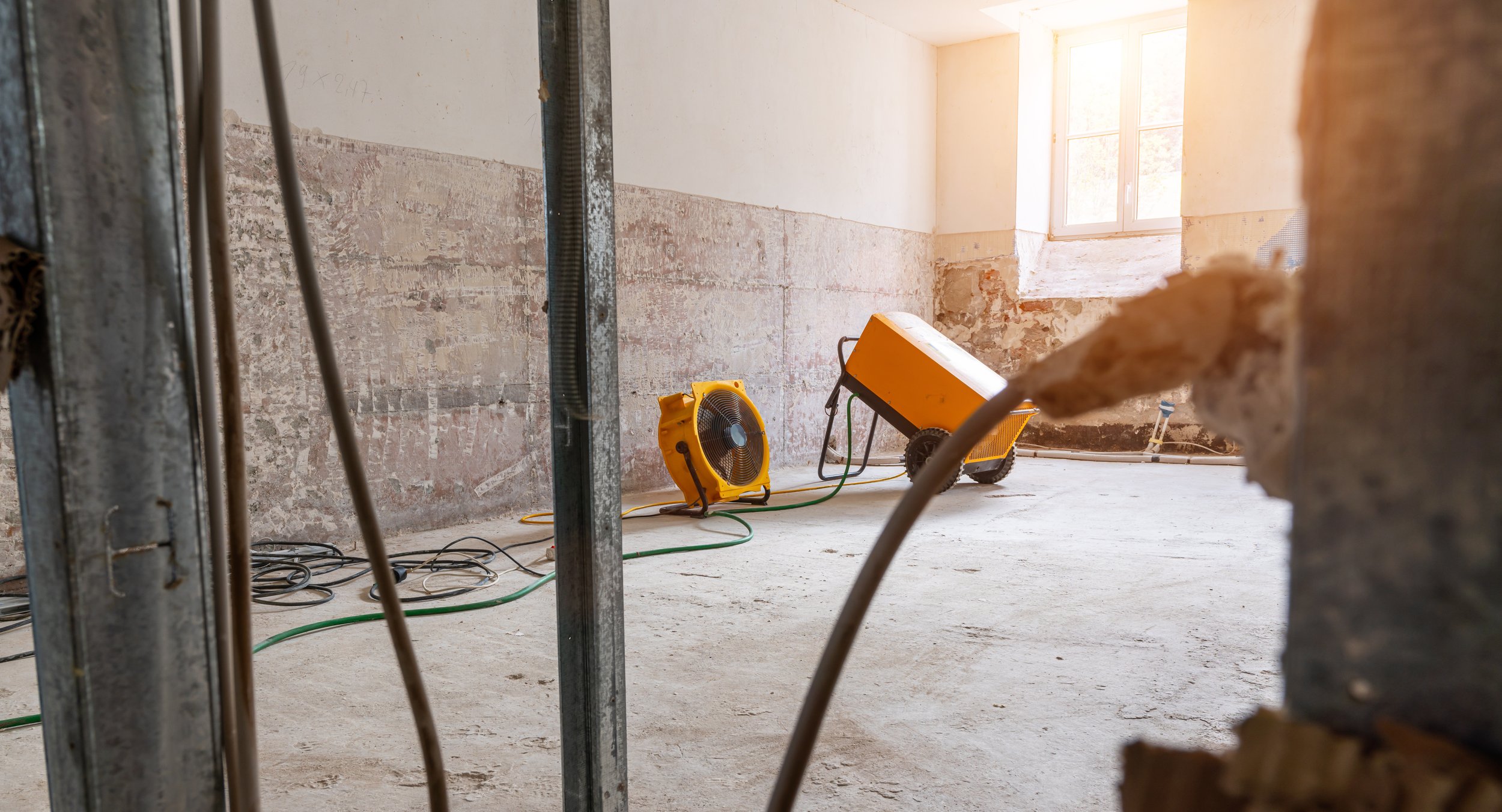
Emergency Water Restoration in Long Island, NY
24/7/365 Emergency Water Damage Response in Long Island, NY
Global Mold Solutions provides fast, professional emergency water removal across Nassau, Suffolk, and Queens, with a guaranteed 60-minute response time. Our IICRC-certified team works around the clock to reduce damage, control moisture, and start the restoration process as quickly as possible.
Call our 24/7 emergency hotline at (631) 735-6606 for immediate help.
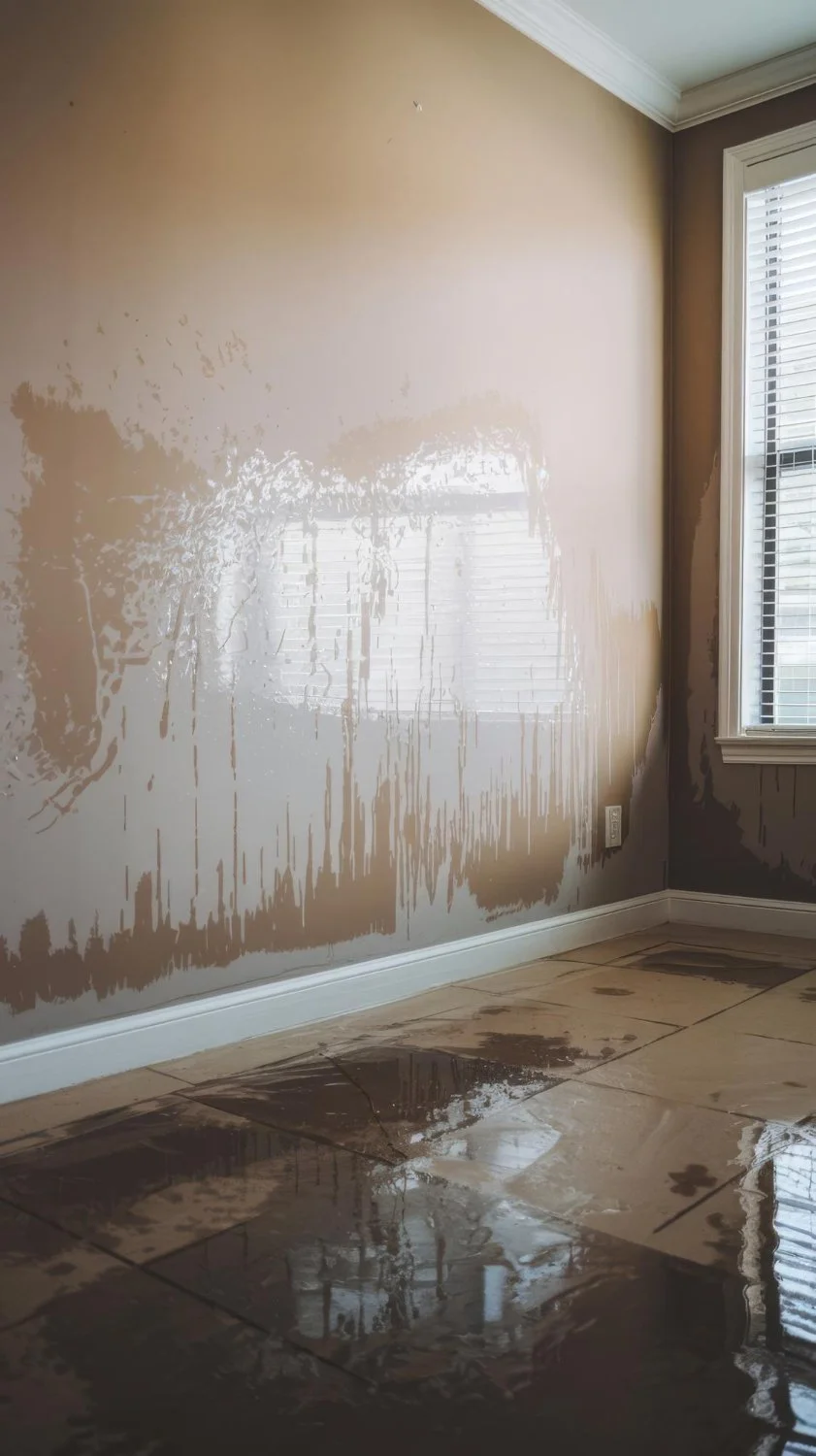
Why Fast Action Matters After Water Damage
Within minutes (0–15 minutes)
Water begins soaking into carpets, flooring, and walls. Materials like drywall and wood start absorbing moisture right away, which can weaken structural integrity if not taken care of quickly.
Within hours (1–24 hours)
Drywall starts swelling and warping, hardwood can begin to cup, and metal surfaces may start to oxidize. Furniture absorbs water and staining can set in. Mold activity can begin during this stage, making quick extraction essential.
Within 24–48 hours
Mold growth can become visible, odors grow stronger, and rot or mildew may begin forming. Health risks increase as bacteria spread, and clean water can quickly turn into more contaminated conditions if left untreated.
After several weeks
Extended exposure can lead to major structural damage, widespread mold colonies, and serious health concerns. At this point, restoration often becomes far more extensive and costly than early intervention.
Acting within the first 24 hours can greatly lower overall restoration costs, often by 50–70%, while limiting damage and preventing long-term complications.
Category 1 (Clean Water)
Clean water damage is typically caused by burst pipes, supply line leaks, rainwater intrusion, or overflowing sinks. Although it carries a low health risk initially, it can become more contaminated if left untreated.
Restoration involves rapid water extraction and professional drying using industrial dehumidifiers and air movers. Most projects are completed within 3–5 days, depending on the extent of the damage.
Even clean water can seep behind walls, under flooring, and into insulation, which leads to structural damage and mold growth if moisture is not fully removed.
Types of Water Damage We Handle in Long Island
Water damage isn’t always the same, and the level of contamination plays a big role in how it needs to be handled. Some situations are relatively contained, while others carry serious health risks and require strict safety protocols.


Category 2 (Gray Water)
This type of water usually comes from sources like washing machine or dishwasher overflows, sump pump failures, or toilet overflows that don’t involve sewage. It’s considered moderately contaminated because it can contain bacteria and other harmful substances.
Handling gray water usually needs full extraction of affected areas, followed by antimicrobial treatment to reduce contamination. Technicians use protective equipment during cleanup, and thorough drying is necessary to prevent further issues.
Most Category 2 situations take around 5 to 7 days to fully handle, depending on how far the moisture has spread.
If not handled properly, exposure can lead to skin irritation or gastrointestinal illness, and contamination can spread quickly into surrounding materials.

Category 3 (Black Water [Most Severe])
Black water is the most dangerous category and includes sewage backups, flooding from rivers or storms, toilet overflows with feces, or any standing water left for more than 48 hours.
This level of damage contains harmful pathogens, chemicals, and serious biological hazards, making it unsafe to handle without professional equipment and containment procedures.
Restoration involves full isolation of affected areas, removal of heavily contaminated materials when needed, deep cleaning, and complete sanitization. Industrial-grade equipment is used throughout the process, including extractors, dehumidifiers, HEPA air scrubbers, and moisture detection tools to make sure no hidden dampness remains.
Depending on the severity, cleanup can take 7–14+ days.
Health risks include exposure to E. coli, hepatitis, respiratory issues, and other severe infections. DIY cleanup is unsafe in these cases due to the high risk of contamination spread and improper handling.
Our Emergency Water Damage Response Process in Long Island
Water damage moves fast, so our response is built to match that speed. Every step focuses on reducing damage early, protecting the structure, and keeping restoration costs under control.
01
Immediate Dispatch (0 to 5 Minutes)
Once the call comes in, key details are gathered right away, including the property location, type of water damage, affected areas, and how urgent the situation is. Each case is classified as emergency, urgent, or standard so high-risk situations like basement flooding or sewage backups get priority response.
While the team is on the way, vehicles are prepared with the right equipment, protective gear, and containment materials based on the expected water category.
02
Rapid Arrival (5 to 60 Minutes)
Response crews arrive in fully equipped vehicles carrying truck-mounted extractors, portable extraction units, commercial dehumidifiers, air movers, moisture meters, and thermal imaging tools.
Routes are tracked for speed and accuracy, and all protective equipment is adjusted based on whether the situation involves clean, gray, or black water conditions.
03
On-Site Assessment (60 to 90 Minutes)
Once on site, the water source is identified and shut off if it is safe to do so. The team determines the water category (1 to 3) and maps out how far moisture has spread using thermal imaging and moisture detection tools.
Structural safety is also checked, and full photo and video documentation is recorded for insurance purposes.
04
Water Extraction (1 to 4 Hours)
Standing water is removed using a combination of truck-mounted systems for large areas and portable extractors for tighter spaces. Sub-floor moisture is also targeted during this stage.
Fast extraction is important to prevent secondary damage like warped flooring, mold growth, and material breakdown.
05
Emergency Stabilization (Day 1)
Once extraction is complete, industrial air movers and dehumidifiers are set up based on the size of the affected area. This helps control humidity and accelerate drying.
In cases involving gray or black water, antimicrobial treatments are applied, and affected contents may be packed out for off-site cleaning if needed. Moisture levels are monitored daily to track progress.
06
Full Restoration (Days 2 to 7+)
Drying continues until moisture readings meet EPA and IICRC standards. At that point, materials are evaluated to determine what can be restored and what needs replacement.
If reconstruction is required, services such as drywall repair, flooring replacement, and painting are completed. A final walkthrough confirms the property is fully restored and safe to re-enter.
Common Emergency Water Damage Situations in Long Island
Water damage can show up in different ways, but the urgency is always the same. Quick response helps limit spread, reduce structural damage, and prevent long-term issues.
Burst Pipes
Common during cold Long Island winters when freezing temperatures cause older plumbing to crack or fail, leading to rapid water spread through walls and flooring.
Basement Flooding
Often caused by heavy storms, high water tables, sump pump failures, or storm surge in coastal areas, with fast-rising water in lower levels.
Sewage Backups
Triggered by heavy rain or system overloads, especially in older neighborhoods with root intrusion. These involve contaminated water and require careful cleanup.
Appliance Failures
Water heaters, washing machines, and dishwashers can leak or burst unexpectedly, soaking floors, cabinetry, and nearby areas quickly.
Storm Damage
Hurricanes and nor’easters can cause roof leaks and wind-driven water intrusion that spreads into hidden parts of the structure.
Toilet Overflows
Caused by clogs or mechanical issues, often introducing gray or black water that needs immediate professional handling due to health risks.
Global Mold Solutions provides fast-response water damage restoration across Long Island to control damage early and prevent further complications.
Assistance on Insurance Claims for Water Damage
Global Mold Solutions streamlines the process of filing the insurance claims for water damage to maximize coverage and reduce stress:
Direct Insurance Billing: We work with all major carriers, including State Farm, Allstate, Liberty Mutual, USAA, and more.
Documentation Provided: Our team delivers detailed damage scopes, moisture readings, photo and video evidence, and itemized estimates to support claims.
Claims Process Support: We communicate directly with adjusters, explain coverage to homeowners, and advocate for your legitimate restoration needs.
Coverage: Most policies cover sudden and accidental water damage, including burst pipes, appliance leaks, and storm damage. Immediate mitigation is typically covered, even before an adjuster arrives.
Gradual leaks, lack of maintenance, and flooding often require separate policies. Not only do we clarify when your deductible applies and average ranges, but we also provide honest assessments and aim to maximize legitimate coverage while ensuring rapid restoration.
What To Do Right After Experiencing Water Damage in Long Island?
If you are experiencing water damage, taking immediate action can significantly reduce repair costs and prevent mold growth.
Safe Actions (Before Our Arrival):
✅ Stop the water source if it is safe to do so, using the main shut-off valve.
✅ Turn off electricity in affected areas, provided the breaker box is dry and accessible.
✅ Move valuables and electronics to dry, elevated locations.
✅ Take photos and videos from multiple angles for insurance documentation.
✅ Remove area rugs, towels, and any excess water to limit damage.
✅ Open windows if weather permits to increase airflow.
Safe Actions (Before Our Arrival):
❌ Do not use household vacuums on standing water, as this creates a risk of electrocution.
❌ Do not enter flooded areas if electricity is still on.
❌ Do not run fans if mold is suspected, as this can spread spores.
❌ Do not delay contacting professionals, as costs and damage increase rapidly.
❌ Do not discard damaged items before an insurance adjuster has inspected them.
Call our 24/7 emergency line immediately. Our certified team guarantees a 60-minute response in most Long Island areas, ensuring rapid mitigation, minimizing further damage, and beginning professional water restoration right away.
Prevention Tips for Avoiding Water Damage
Annual plumbing inspections to catch leaks early
Water heater replacement schedule: every 8–12 years
Washing machine hose replacement: every 5 years or use steel-braided hoses
Quarterly sump pump testing with battery backup
Gutter cleaning in spring and fall to prevent roof leaks
Pipe insulation in unheated areas during winter
Shut off the water when leaving for extended periods
Install water leak detection systems (smart home tech alerts for leaks)
Check appliance connections regularly such as those of dishwashers, refrigerators, and ice makers
Immediate repair of roof, window, or siding leaks
Need a water damage prevention inspection? Call us now to schedule a professional evaluation and protect your Long Island home.
Protect Your Property Before Water Damage Starts
Water damage often begins with small issues that are easy to overlook, but those small problems can escalate quickly once moisture gets into the structure. Staying ahead of leaks, maintenance, and early warning signs is one of the simplest ways to avoid costly repairs later on.
If you want a clearer picture of your property’s risk, Global Mold Solutions can inspect your home or business in Long Island and help identify potential problem areas before they turn into damage. Call (631) 735-6606 today to schedule an evaluation or request immediate assistance.
What Our Customers Are Saying
Frequently Asked Questions - Emergency Water Restoration in Long Island
Contact Global Mold Solutions Now
Emergency Hotline: (631) 735-6606
Email: help@globalmoldsolutions.com
Address: 785 Terry Rd, Hauppauge, NY 11788
Certifications: IICRC Certified | New York State Licensed
Service Areas: Nassau County, Suffolk County, Queens, Manhattan
-
We guarantee a 60-minute response time for most Long Island homes and businesses. Our 24/7/365 team dispatches fully equipped crews immediately upon your call. Rapid arrival is crucial to prevent structural damage, mold growth, and insurance complications. Call our emergency line now to get help fast.
-
Coverage depends on the cause of the water damage. Sudden and accidental water damage, like burst pipes, appliance leaks, and storm damage, is usually covered under the homeowners’ policies. Similarly, gradual leaks or lack of maintenance may not be part of the coverage. Whatever the cause, we provide detailed documentation, moisture readings, and itemized estimates, and can bill all major carriers directly.
-
The timeline depends on a number of factors, including the affected area size, water category, and materials involved.
Minor water damage: Extraction within 1-2 days; full restoration in 3-5 days
Moderate damage: Extraction and drying 5-7 days; full restoration 1-2 weeks
Severe or Category 3 water damage: Extraction 1-2 weeks; complete restoration and reconstruction 2-4+ weeks
Our team provides a detailed restoration plan up front and monitors progress to ensure your property is returned to safe condition efficiently.
-
It depends on the severity of the damage. If electricity is off, water category is 1, and the affected area is contained, limited access may be possible. For Category 2 or 3 water, or widespread flooding, temporary relocation is recommended for safety and health.
-
The cost of emergency water damage restoration depends on the severity and type of water involved. Minor clean water damage typically ranges from $500 to $2,000, while moderate gray water damage usually falls between $2,000 and $8,000. Severe black water or storm-related damage can exceed $8,000 to $15,000 or more.
-
Water damage originates from internal sources such as burst pipes, appliance leaks, or plumbing failures. Flood damage, on the other hand, results from external sources like storm surges, rising rivers, or heavy coastal flooding.
On Long Island, many areas are designated flood zones, which makes understanding this distinction essential for proper insurance coverage and timely claims processing.
-
We act within 24 to 48 hours, removing standing water and thoroughly drying materials using moisture meters. Antimicrobial treatments are applied to all affected surfaces, and HEPA air filtration captures airborne spores.
-
Our trucks carry truck-mounted extractors (1000+ gallons capacity), portable extractors, industrial air movers (200+ CFM), LGR dehumidifiers, and thermal imaging cameras. Professional-grade equipment ensures complete extraction, prevents hidden damage, and mitigates mold risk, far beyond consumer vacuums.
-
DIY is only safe for small, clean water spills, not more than 1 gallon. Any Category 2 or 3 water, hidden moisture in walls/floors, or areas bigger than 10 sq-ft require professionals. On top of that, DIY can spread contaminants and void insurance coverage. Call our certified team for safe, effective restoration.
-
Untreated water leads to mold growth within 24 to 48 hours, structural weakening like wood rot and drywall failure, higher restoration costs, health hazards, and potential insurance complications. Acting fast preserves property value and ensures safer, more cost-effective restoration.