
When Basement and Attic Mold Signal a Bigger Moisture Problem
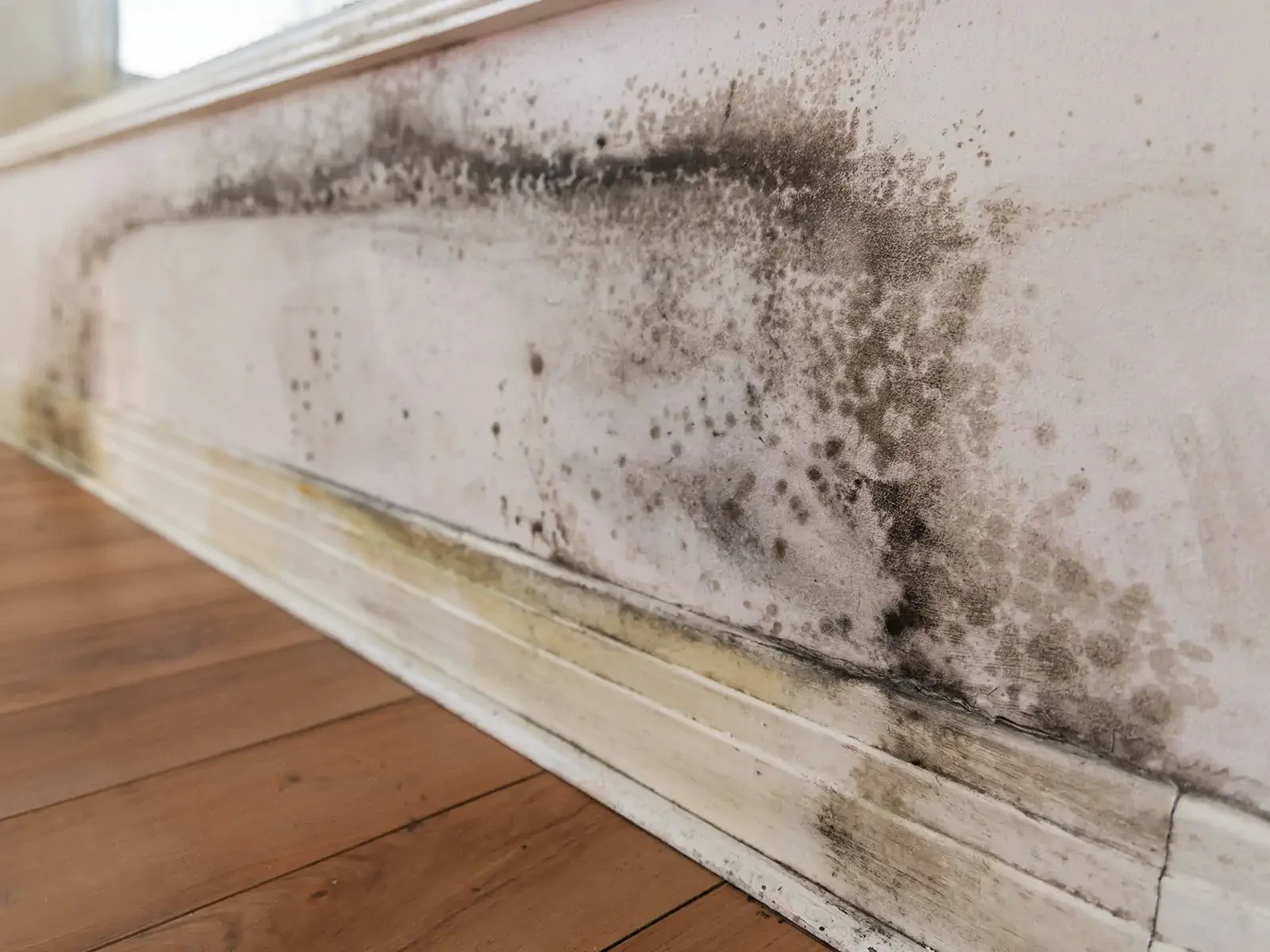
Basement and attic mold are not just ugly stains you can wipe away. They are often warning signs that your home has a bigger moisture problem hiding in the background. When that moisture keeps coming back, mold will too, and over time it can damage your home and affect the air you breathe, and ultimately, your health.
In this article, we will talk about why basements and attics are such common mold hotspots, what signs to watch for, how professionals track moisture to its source, and what lasting fixes can help keep these areas dry. At Global Mold Solutions, we see how quickly a small patch of mold in a hidden corner can grow into a serious issue for Long Island homes and businesses.
Hidden Mold, Bigger Problem: Why You Can’t Ignore It
On Long Island, winter and early spring often mean closed windows, damp weather, and temperature swings. Warm indoor air meets cold surfaces in basements and attics, and moisture begins to form where you may not notice it. Add snowmelt, rain, and older building materials, and you get quiet, steady mold growth in the spaces you rarely visit.
Basement and attic mold are rarely “small” problems. Mold in these areas usually means moisture has been present for a while, soaking into wood, drywall, insulation, or concrete. If that moisture source is not fixed, the mold will return again and again, and the structure can slowly weaken.
That same mold can also affect air quality. Spores and musty odors can move through your heating and cooling system and into living spaces. People may notice:
More coughing or throat irritation at home
Allergy or sinus flare-ups that improve when they leave
Asthma symptoms that feel worse indoors
Solving the moisture problem helps protect both the building and the people inside it.
Why Basements and Attics Are Mold Hotspots
Basements and attics are very different spaces, but they share one big thing: they are easy to forget about. That makes them perfect for slow moisture problems.
In basements, common risk factors include:
Humid, stale air that never fully dries out
Groundwater seepage through walls or floors
High water tables that push moisture into concrete
Foundation cracks that let in water during storms
Older or undersized sump pumps that cannot keep up
Once these areas get damp, concrete and masonry can hold moisture, and wooden framing or stored items can start to grow mold.
Attics have their own hidden moisture sources. We often see:
Roof leaks that drip onto sheathing and insulation
Ice dams that force water under shingles at the roof edge
Poorly vented bathrooms sending steam straight into the attic
Gaps in insulation that let warm, moist indoor air rise up
In winter, that warm air hits the cold roof sheathing, turns into condensation, and feeds mold on wood surfaces. In late winter and spring, snowmelt, rain, and freeze-thaw cycles can make roof and flashing issues worse, so small leaks turn into ongoing moisture problems.
Warning Signs Your Mold Problem Is Really a Moisture Problem
Not every dark spot is an emergency, but certain signs tell you that your home has more than just a surface mold issue. In the basement, watch for:
Widespread staining or dark patches on walls or floors
Efflorescence, a white, powdery film on concrete or block walls
Crumbling, flaking, or spalling concrete
Paint that bubbles, peels, or flakes off
In the attic, warning signs include:
Dark, streaky, or sagging roof sheathing
Wet, compacted, or discolored insulation
Rusted nails or metal fixtures
Peeling paint on ceilings below the attic
Smell and comfort are also big clues. Persistent musty odors, even when you do not see visible mold, often mean hidden growth behind walls or under insulation. Damp or clammy air in the basement and cold, drafty rooms under the attic can point to moisture pathways and poor air sealing.
You should start to worry about scale when:
Mold returns soon after cleaning or repainting
Mold shows up in both the attic and basement at the same time
New mold appears after every heavy rain, thaw, or snowmelt
These patterns suggest larger issues with drainage, roofing, ventilation, or the building envelope, not just one small leak.
How Professionals Track Moisture to the Source
A quick wipe-down or spray only treats what you can see. Professional basement and attic mold removal starts with finding out why the mold is there in the first place.
At Global Mold Solutions, we begin with a careful inspection. That often includes:
Moisture meters to test walls, floors, framing, and sheathing
Infrared cameras to find cold spots where water may be entering
Visual checks of gutters, downspouts, grading, and roof surfaces
Review of attic ventilation, bathroom fan venting, and insulation
From there, we look for common root causes, such as:
Poor grading that slopes toward the foundation
Clogged or misaligned gutters and leaders spilling water near the house
Failed or damaged flashing around chimneys, skylights, or vents
Roof leaks that follow rafters before showing as stains
Foundation cracks and unsealed pipe or wire penetrations
Attic ventilation problems that trap warm, moist air
The goal is an integrated plan. That means we do not just remove visible mold and walk away. Proper mold removal is paired with moisture control steps like drying, ventilation changes, sealing leaks, and correcting insulation so the problem does not come right back.
Lasting Solutions for Dry, Healthy Basements and Attics
Long-term success always comes back to controlling moisture. In basements, that often means a mix of waterproofing, drainage, and air control. Common steps include:
Installing or upgrading sump pumps and backup systems
Adding interior or exterior drainage channels to move water away
Sealing foundation cracks and joints with appropriate materials
Using vapor barriers correctly on floors and walls
Running a properly sized dehumidifier during damp seasons
In attics, the focus is on keeping moisture out and letting any small amount that does get in dry quickly. Key strategies include:
Fixing roof leaks and replacing damaged roofing components
Improving ventilation with balanced ridge and soffit vents
Air sealing gaps around light fixtures, pipes, and attic hatches
Making sure bathroom and dryer vents go outdoors, not into the attic
Adjusting insulation levels so warm air does not leak into the attic
DIY cleaning products may lighten stains, but they do not fix a chronic moisture source. Scrubbing only deals with what you see on the surface, while water may still be moving through walls, ceilings, and framing. Professional assessment and basement and attic mold removal help uncover the full picture so you are not stuck fighting the same mold over and over.
Take Control of Moisture Before Spring Mold Takes Over
As weather shifts from cold to damp and mild, moisture problems in basements and attics tend to speed up. The more time mold has to grow, the more damage it can cause to framing, insulation, and finishes. Acting early can keep a manageable issue from becoming a major repair project.
Situations that call for professional help from a team like Global Mold Solutions include:
Widespread mold covering large sections of attic sheathing or of basement walls
Mold that keeps returning after past cleanups
New stains, leaks, or musty smells after storms or snowmelt
Family members whose breathing or allergies feel worse at home
A thorough inspection, clear explanation of what is happening, and a custom moisture and mold plan built for Long Island conditions can bring real peace of mind. With the right combination of mold removal and moisture control, your basement and attic can stay dry, healthy, and better protected all year long.
Protect Your Home and Family From Hidden Mold Today
If you have spotted musty odors, discoloration, or moisture problems, now is the time to schedule professional basement and attic Mold Removal with Global Mold Solutions. We carefully inspect, remediate, and help prevent mold so you can breathe easier and protect your property’s value. Reach out today to discuss your concerns and get a tailored plan, or Contact us to book an inspection.