
What to Expect From Professional Basement and Attic Mold Removal
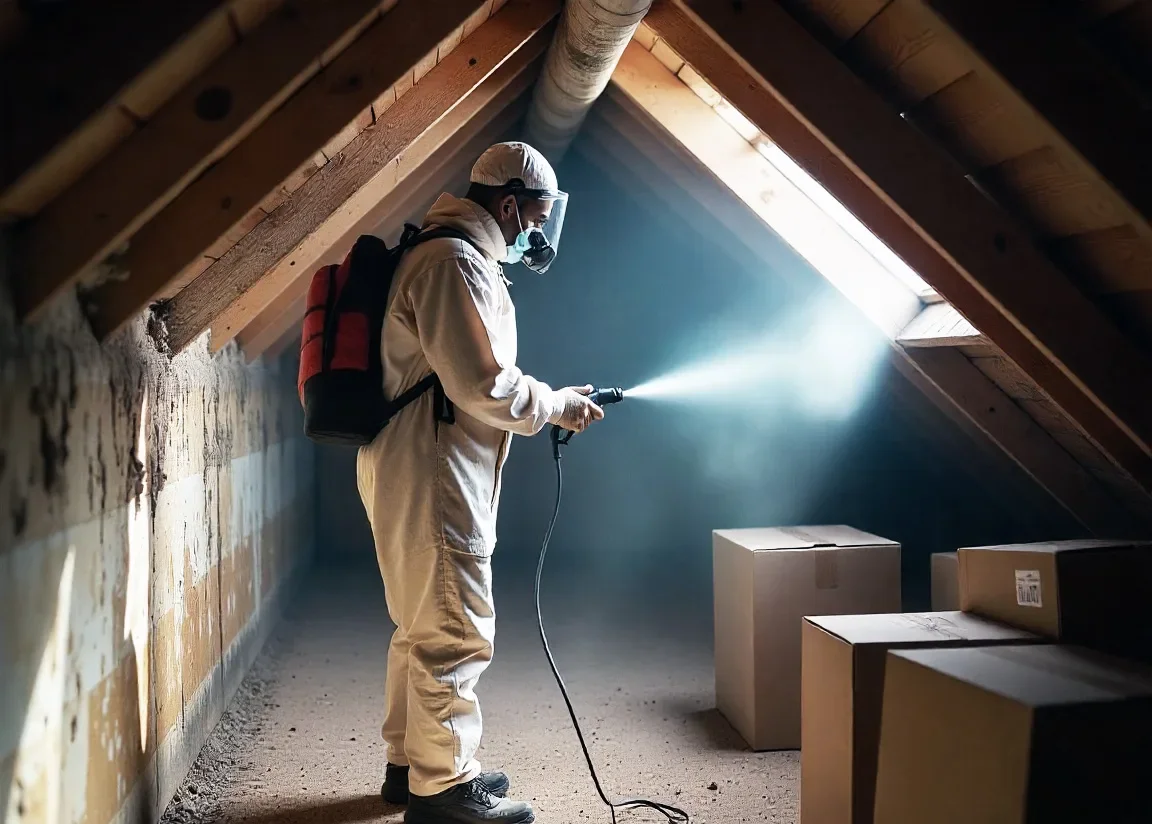
Basements and attics are two of the most common places for mold to grow. They are often damp, dark, and out of sight, so problems can build up quietly. When mold grows in these hidden areas, it can affect your air, your health, and even the structure of your home or business.
In this article, we explain what to expect from professional basement and attic Mold Removal. You will learn how to spot early warning signs, what happens during a professional inspection, how proper removal works, and what you can do to keep mold from coming back in homes and buildings across Suffolk, Nassau, Queens, and NYC.
Protect Your Home with Expert Mold Removal
Basements and attics are mold hot spots on Long Island and in the city because these spaces tend to trap moisture and have limited airflow. Several common conditions make them especially risky, including:
Extra moisture from snow, ice, and rain
Poor or limited ventilation
Temperature swings that cause condensation
Older building materials and past water damage
In winter and early spring, melting snow, ice dams, and heavy rain can push water into basements and under roof shingles. When that moisture gets trapped and the air does not move well, mold has perfect conditions to grow.
Mold is not just an ugly stain. It can release tiny particles into the air that may trigger allergies, asthma symptoms, coughing, throat irritation, and irritation to the eyes and skin. Even if mold starts in a basement or attic, those particles can spread into your main living or work areas.
That is why trusting trained professionals for basement and attic mold removal is so important. Professional work focuses on both the mold and the moisture source, which helps protect your property and gives you long-term peace of mind.
How to Spot Basement and Attic Mold Before It Spreads
Catching mold early makes cleanup easier and helps limit damage. In basements, warning signs often involve persistent odor, visible spotting, and mold growth on common storage and structural materials. Watch for:
Musty, damp, or earthy smells that do not go away
Dark or white spots on concrete or foundation walls
Growth on wood framing, floor joists, or stored cardboard boxes
Mold around sump pumps or past water lines from old floods
Attics show mold in different ways, often tied to roof conditions, ventilation, and condensation during cold weather. Signs may include:
Dark staining or blotches on the underside of roof sheathing
Discolored or matted insulation
Frost or dripping condensation on nails or rafters in cold weather
Mold growth near bathroom or kitchen exhaust vents that stop in the attic instead of outside
On Long Island and in NYC, these issues often show up after big winter storms, ice dams, or long periods of rain. At the first sign of musty air, staining, or moisture where it should not be, it is smart to schedule a professional inspection. Waiting usually gives mold more time to spread.
What Happens During a Professional Mold Inspection
A professional mold inspection is more than a quick look around. It is a careful check of both mold and moisture, and it is designed to identify not only what you can see but also what may be developing behind surfaces or in hidden areas. During a typical inspection, you can expect:
A visual assessment of your basement and attic, including hidden corners and storage areas
Moisture readings in walls, floors, and wood framing
Thermal imaging when needed to spot cold, damp areas behind surfaces
Air or surface sampling when the situation calls for lab testing
A trained technician will also work to find the true source of the moisture. Depending on the property, that may involve evaluating issues such as:
Foundation seepage or small leaks
Poor outdoor drainage that sends water toward the house
High humidity and lack of dehumidification
Roof leaks or loose flashing
Unvented or poorly vented appliances and fans
At the end, you receive an inspection report that brings the findings together into a clear plan. It usually includes:
The areas that are affected by mold or moisture
Likely causes of the problem
Recommended steps for mold removal and cleanup
Suggestions to help prevent mold from coming back, matched to your type of property and local weather patterns
This plan is the roadmap for safe and effective basement and attic mold removal.
Step-by-Step: Professional Basement and Attic Mold Removal
Once there is a clear plan, proper mold removal can begin. A reputable company will start by setting up containment. This often includes plastic barriers and special equipment that helps keep mold spores from spreading into the rest of the home during work.
From there, the work typically follows industry-standard methods that address both airborne particles and contaminated materials. Common methods include:
HEPA air filtration to capture tiny mold particles in the air
Careful removal of materials that cannot be saved, such as heavily damaged drywall or insulation
Detailed cleaning of remaining surfaces using professional tools and products
Disinfecting and wiping down cleaned areas to remove residue
Safe handling and disposal of waste in line with local New York requirements
There is a big difference between true mold remediation and a simple wipe-down. Wiping or spraying visible spots without containment and moisture control often leaves roots of the mold behind. Professional remediation addresses the source of water and humidity, not just the surface growth. That is what leads to longer-lasting results.
Preventing Mold Return After Winter and Spring Rains
Once your basement and attic are cleaned, prevention becomes the next priority. The goal is to control moisture, improve airflow where needed, and respond quickly to new water issues so conditions do not return to what allowed mold to grow in the first place.
For basements, helpful moisture control steps include:
Running a dehumidifier to keep humidity in a healthy range
Improving outdoor drainage with proper grading and working gutters
Repairing foundation cracks and gaps
Keeping sump pumps and backup systems in good working order
Handling any new water events quickly and correctly
For attics, prevention looks a bit different because the main risks often relate to ventilation, warm air leaks, and roof or exhaust vent problems. Key steps include:
Improving attic ventilation so air can move in and out
Sealing air leaks from living spaces that let warm, moist air reach the attic
Making sure bathroom and kitchen fans vent to the outside, not into the attic
Checking insulation and roof conditions regularly for signs of leaks
On Long Island and in NYC, it helps to think about mold prevention as part of the seasonal cycle. Inspections before heavy spring rains and before summer humidity arrives can catch new issues early, before mold has time to grow again.
Why DIY Mold Cleanup Can Put Your Family at Risk
DIY mold cleanup may seem like a quick, cheap fix, but it often creates bigger problems. Many DIY attempts fail because they do not control spore spread, do not address hidden contamination, and do not fix the moisture conditions that caused the mold in the first place. Common mistakes include:
Using bleach on porous materials like wood and drywall
Scrubbing mold without sealing off the area
Failing to wear proper protection
Spreading spores into the HVAC system and throughout the home
When mold cleanup is not handled correctly, it can affect indoor air quality and may cause health problems, especially for children, seniors, and anyone with asthma, allergies, or weakened immune systems. A small visible patch can turn into a larger, hidden problem if it is disturbed without proper controls.
While DIY efforts might appear to save money at first, they often lead to repeated cleanups, ongoing mold growth, and even structural damage if moisture keeps getting in. Professional basement and attic mold removal focuses on solving both the mold and the cause, which usually leads to better long-term results.
Take Control of Basement and Attic Mold Today
Homeowners and business owners should expect clear communication and organized service from any trusted professional. That includes easy-to-understand explanations, straightforward findings, and work that is carefully documented from start to finish. You should feel comfortable asking questions and understanding what is happening in your own property.
For those in Suffolk, Nassau, Queens, and NYC, Global Mold Solutions provides professional mold removal, water damage, and fire damage remediation. Before peak spring moisture and summer humidity arrive, it helps to be prepared. Gathering your questions, noting any past water events, and making sure there is easy access to your basement and attic can make the inspection and remediation process smoother and more effective.
Protect Your Home And Health With Expert Mold Removal Today
If you are seeing or suspecting mold in your attic or basement, our team at Global Mold Solutions is ready to help you address it before it spreads further. Learn how our professional basement and attic mold removal services can restore a safer, cleaner environment in your home. We will inspect, contain, and remediate the affected areas using proven methods tailored to your property. Have questions or need fast assistance? Simply Contact us to schedule your appointment.