
How to Find and Remove Hidden Odors After Mold Remediation (HVAC and More)
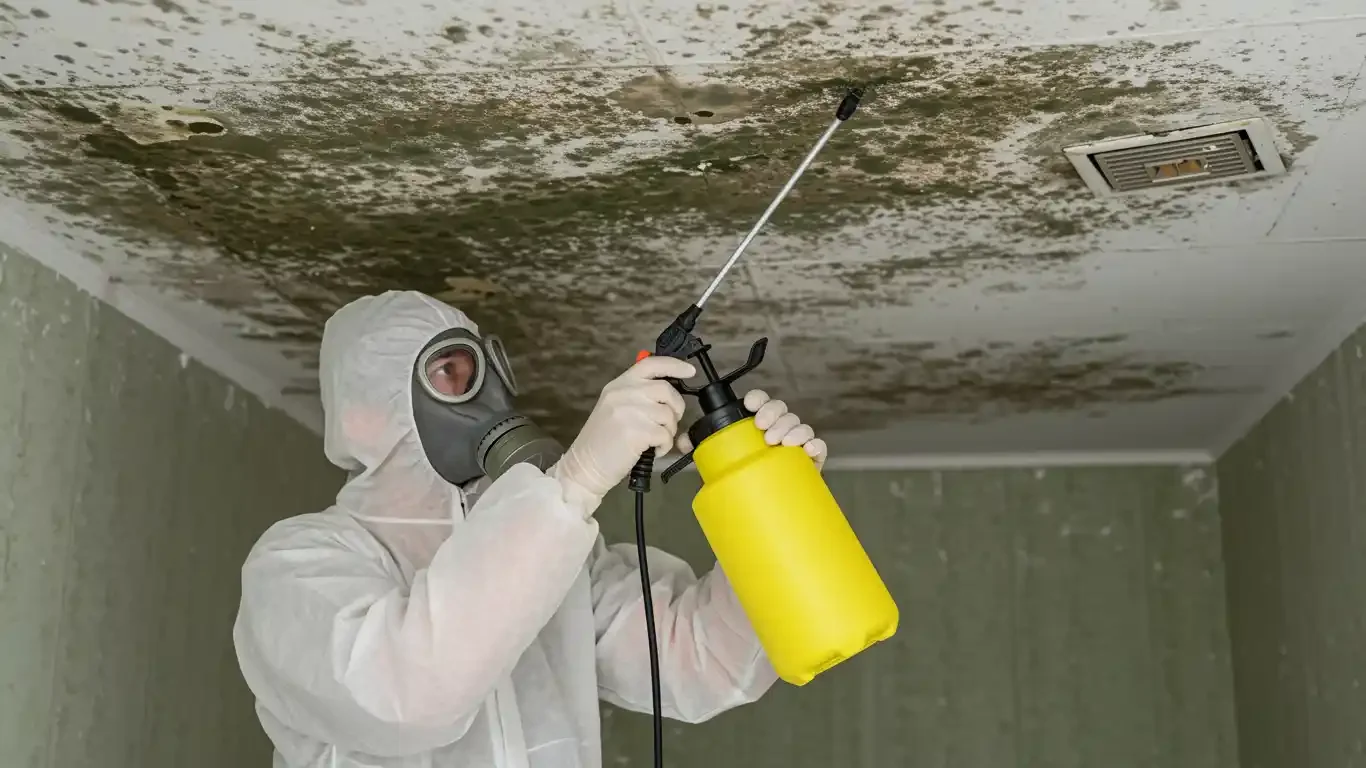
Why Your Home Still Smells Musty After Mold Cleanup
A musty smell in your home after mold remediation feels frustrating. The visible mold is gone, the area looks clean, yet that damp, earthy odor still hangs in the air. Many Long Island and NYC homeowners deal with this, especially when homes stay closed up in colder months.
It helps to know that odor does not always mean active mold is growing again. Sometimes the smell comes from leftover spores, VOCs, or building materials that soaked up moisture and are now slowly releasing that odor. A light, fading smell while things are still drying can be normal. A strong, stubborn odor that does not improve usually points to a hidden source that still needs attention.
In this guide, we will walk through common hidden odor sources like HVAC systems, insulation, crawlspaces, and porous belongings. As a local restoration company, we see these issues often in homes and businesses across Suffolk, Nassau, Queens, and NYC, and we want to help you understand what might be going on behind the scenes.
Hidden Mold Odors in HVAC Systems and Ductwork
Your HVAC system can act like an odor highway. Even after a proper mold cleanup, spores and odor-causing particles can settle inside key components such as:
Air handlers and blower fans
Coils and drip pans
Filters and return grilles
Duct interiors, especially flex ducts and long runs
Each time the heat or AC turns on, those particles can get pushed back into rooms. That is why you might notice the smell most when the system first kicks in.
One clue is timing and distribution. If the odor is strongest right when the system starts, if certain rooms or floors smell mustier than others, or if allergy or breathing symptoms feel worse when the heat is running, the HVAC system may be contributing to the lingering smell.
For real mold smell removal in HVAC systems, surface cleaning alone is not enough. Good next steps usually include:
Professional inspection of air handlers, coils, and ductwork
Replacing all filters and cleaning return grilles
Cleaning and disinfecting coils and drip pans
Considering sealed duct cleaning or fogging when appropriate
Covering the smell with candles, sprays, or plug-ins may make it seem better for a short time, but it does not solve the source and can even irritate sensitive lungs. When odors from vents linger, it is best to get a qualified remediation and HVAC professional involved so you do not re-contaminate areas that were just cleaned.
Insulation, Walls, and Ceilings That Trap Odors
Many building materials in your home are porous. They can soak up moisture and odor like a sponge during a leak or flood. Even if visible mold on the surface is removed, the material inside may still hold that smell.
Materials that often trap odors include:
Fiberglass or cellulose insulation
Drywall and joint compound
Ceiling tiles and acoustical panels
In practice, these hidden odor problems often show up in certain locations. Exterior walls can hold odors after roof leaks or ice dams, attic insulation can retain smells near past roof or flashing issues, and areas around windows may stay affected where condensation or leaks occurred. Wall cavities next to old basement or bathroom moisture can also keep releasing musty odors over time.
To find these hidden sources, professionals do more than just look at the surface. They may use:
Moisture meters to check if materials are still damp
Thermal imaging to spot cold, wet, or missing insulation areas
Small inspection openings in walls or ceilings when needed
If a section of insulation or drywall is saturated or has a strong odor, removal and replacement of that material is usually the best choice. Adjacent framing and surfaces may be cleaned and sealed, and thorough drying is key so a fresh mold problem does not start in the same spot later.
Crawlspaces, Basements, and Hidden Structural Odors
Crawlspaces and basements are common odor troublemakers, especially in older Long Island and NYC homes where moisture control is a constant challenge. These lower areas often stay cooler and more humid than the living space above, which can keep musty smells active even when upstairs areas look clean.
Odors from below-grade spaces can move upward through:
Gaps around plumbing pipes and drains
Openings for electrical wiring
Spaces between framing members and subfloor
Unsealed or poorly sealed access doors
Even if your main living area looks spotless, a damp crawlspace or basement can send a steady stream of musty air into the home. Down below, the odor source is often tied to lingering moisture and long-term storage or materials that stay damp, such as:
Exposed soil that stays damp
Foundation walls with seepage or hairline cracks
Floor joists or beams with dark staining or soft spots
Wet or sagging insulation at rim joists and band boards
Old cardboard boxes, fabrics, and wood stored long-term
Real mold-smell removal in these areas focuses on the source, not just the air. Professional strategies may include:
Crawlspace encapsulation with proper ground and wall barriers
Dedicated dehumidification sized for the space
Fixing drainage or seepage issues around the foundation
Safe removal of mold-damaged insulation or wood, not just spraying deodorizer
When the structure below your home is dry, clean, and sealed, musty odors in the living area are much easier to control.
Porous Furnishings and Contents That Keep Smells Alive
Even if the building itself is taken care of, your belongings can hold onto mold-related odors. Soft and porous items soak up particles during a mold event and can slowly release those smells back into the space.
Common problem items include:
Carpets and area rugs
Upholstered sofas, chairs, and headboards
Mattresses and fabric-covered bed frames
Books, cardboard boxes, papers, and photo albums
Acoustic panels and fabric wall hangings
Deciding what to clean and what to discard can be tough. The decision often comes down to practical factors like how long the item sat in a damp or moldy area, whether there is visible staining (dark spots, water lines, or fuzz), how intense the odor is (slight and fading, or strong and stubborn), and whether the item is easily replaced or highly important to you.
Many items can be cleaned through methods like hot water extraction for carpets, HEPA vacuuming, and fabric-safe antimicrobial treatments. Some contents are best handled at a professional restoration facility that has specialized tools and drying rooms.
One important point is that bringing heavily contaminated items back into a remediated space can reintroduce both odor and allergens. This is especially risky for people with asthma, allergies, or other sensitivities. Careful sorting and cleaning of contents is an important part of complete mold smell removal.
When to Call a Professional for Stubborn Mold Smell Removal
Some mild, short-term odor while materials finish drying can be normal after remediation. But how do you know when it is time to bring in help again?
You may want a professional post-remediation odor assessment if:
The musty smell is still strong several weeks after cleanup
Odors get worse when HVAC turns on or during damp weather
You notice symptoms like coughing, headaches, or congestion in certain rooms
You see new staining, damp spots, or peeling paint
Odor seems to come from walls, ceilings, or floors with no visible mold
A follow-up visit from a restoration professional often includes:
Careful visual inspection of previous work areas and nearby rooms
Moisture mapping of walls, floors, ceilings, and insulation
Checks of HVAC components, basements, and crawlspaces
Guidance on air filtration and humidity control
Basic documentation that can be shared with landlords, tenants, or insurance when needed
Hidden moisture and odor problems usually get worse, not better, when warmer, more humid weather arrives. Taking action when you first notice that stubborn smell can protect your home, your belongings, and your indoor air.
At Global Mold Solutions, we help homeowners and businesses across Suffolk, Nassau, Queens, and NYC track down and remove hidden odor sources after mold remediation. Our goal is not just to clean what you can see, but to leave your space feeling fresher, drier, and more comfortable long term.
Protect Your Home And Breathe Cleaner Air Today
If you notice persistent musty odors or suspect hidden mold, we are ready to help restore a healthier environment in your home. Our experts at Global Mold Solutions provide targeted Mold Smell Removal that goes beyond masking odors to address the source. Reach out today to discuss your situation and schedule an inspection, or Contact us with any questions about your options.