
Why Your Home Still Smells Musty After Mold Clean-Up
Why Your Home Still Smells Musty After Cleanup
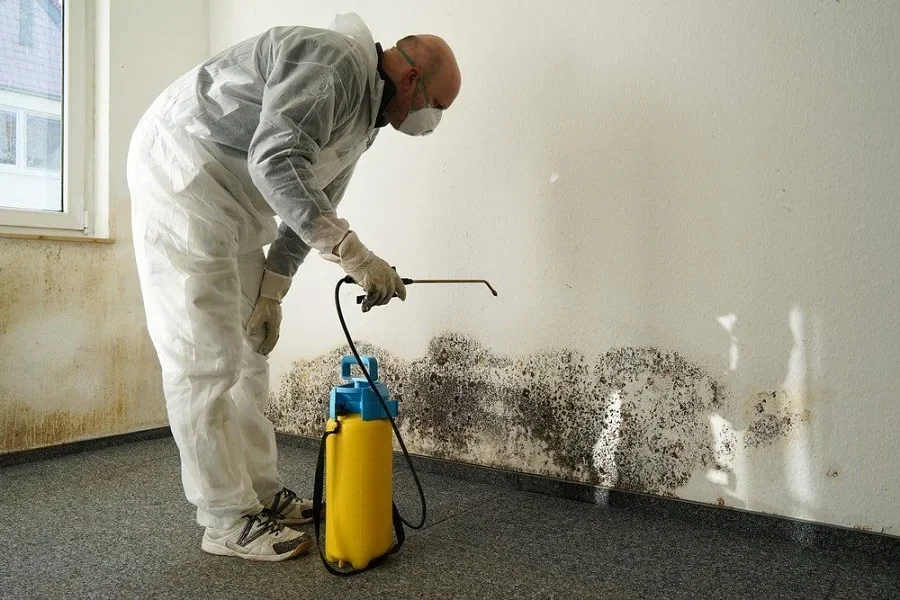
A musty smell in your home after mold cleanup is frustrating. You spent time, money, and energy fixing the problem, yet the odor still hangs in the air. That smell is not just annoying; it can be a sign that something in your home is still damp or that mold was not fully removed.
A lingering odor can point to hidden moisture, trapped spores, or indoor air quality issues that never got fully addressed. Here on Long Island, our winters, freeze-thaw cycles, and tightly sealed homes make mold smell removal even trickier, especially around February when houses stay closed up. In this article, we will talk about why that smell lingers, how to tell if mold is really gone, what late winter has to do with it, and what professional solutions can finally clear the air.
What That Lingering Musty Smell Is Really Telling You
That classic musty odor is usually a mix of things, not just one source. Mold and bacteria can release tiny gases called microbial volatile organic compounds, or MVOCs. Damp drywall, carpet, and wood can hold onto those smells even after surfaces look clean.
Odors can stick around when:
Moisture is still present in walls, floors, or ceilings
Mold is hiding behind finished surfaces
Porous materials soaked up odor and were never replaced
In winter on Long Island, homes are closed up tight to keep out the cold. Fresh air exchange is low, so any stubborn odor feels stronger. Snow and ice melt can leak into basements or around windows, and indoor humidity can creep up from everyday tasks like cooking, showers, and drying clothes.
Smell alone is not a perfect test for mold, but it is an important clue. If that musty odor will not go away, or it seems to move to new rooms, it is a red flag that there might still be moisture or hidden growth that needs attention.
Common Reasons Mold Smell Removal Fails After Cleanup
Many homeowners are surprised when mold smell removal does not work the first time. There are a few common reasons this happens.
Incomplete source removal
Some cleanups only focus on what the eye can see. That might mean:
Wiping or scrubbing visible spots without checking behind walls
Painting over stained areas instead of removing damaged materials
Using bleach on drywall, wood, or other porous materials
Bleach can fade stains on the surface but leave mold roots inside the material. When this happens, the odor and the mold problem often come back, especially once humidity rises again.
Ongoing or hidden moisture problems
If moisture is still present, mold can keep growing even after cleaning. On Long Island, common late winter and early spring moisture sources include:
Ice dam leaks at the roofline
Seepage in basements after snow and ice melt
Damp, humid crawlspaces
Bathrooms without good ventilation
Even a small drip or slightly high humidity can keep feeding mold spores. As long as materials stay damp, you may notice a steady musty smell that never truly clears.
Contaminated soft contents and HVAC systems
Even if the main mold area looks clean, odor can cling to:
Carpets and padding
Upholstered furniture
Curtains and drapes
Clothing and stored fabrics
Your HVAC system can also carry smells through the entire house. Dust, spores, and odor molecules can collect inside ductwork and on the air handler. If this is not inspected and cleaned as part of remediation, turning the system on can respread the musty smell.
How to Tell if It’s Just Odor or Ongoing Mold Trouble
Once cleanup is done, it can be hard to know whether you are dealing with leftover odor or an active mold issue. There are a few practical signs to watch for.
Visual and physical signs to check
Walk through your home slowly and look for:
New or returning stains on ceilings, walls, or baseboards
Peeling paint, bubbling, or cracking finishes
Warped baseboards or flooring that feels soft or uneven
Condensation on windows, especially on cold mornings
In late winter on Long Island, repeated condensation on poorly insulated walls or around window frames can point to hidden moisture inside the wall cavity. That moisture can support mold even if you do not see it yet.
Health and comfort clues
Some people notice they simply feel worse at home. Common complaints include:
Nasal stuffiness or sinus pressure
Coughing or throat irritation
Sneezing or itchy, watery eyes
Headaches that ease when you leave the house
These symptoms do not prove mold on their own, and different people react in different ways. But when health changes line up with a musty odor and signs of moisture, it is a strong hint that a deeper check is needed.
When to bring in a professional
It is a good idea to get expert help if:
The musty odor lasts more than a couple of weeks after cleaning
The smell spreads to rooms that were not affected before
Odor returns quickly after you clean and air out the home
A professional team can perform moisture mapping to find damp spots inside walls and floors, do targeted inspections in likely trouble areas, and arrange for testing when it makes sense. This kind of focused approach is key to real mold smell removal, not just short-term relief.
Professional Strategies That Actually Remove Mold Odors
Long-lasting mold smell removal means getting to the root of the problem, not just treating the air.
Addressing the true moisture source
A trained restoration team will track where the water is coming from. That might be:
Roof or ice dam leaks dripping into attic or wall cavities
Foundation cracks allowing groundwater into basements
Failed or missing caulking around windows and doors
Bathroom or kitchen fans that do not vent outside
Until humidity is under control and water intrusion is fixed, odors will keep coming back. Drying things out and keeping them dry is the foundation of any real solution.
Deep remediation of building materials
When materials are badly contaminated, they often need to be removed. A professional crew will:
Set up containment so spores do not spread to clean areas
Use negative air machines to pull particles out of the space
Remove damaged drywall, insulation, or carpet when needed
Clean and treat exposed framing and surfaces with HEPA vacuuming
This deeper work targets both the mold you can see and the spores you cannot. That is a big part of why professional remediation has better results than surface cleaning alone.
Advanced deodorization and air cleaning
Once the source is addressed and materials are cleaned or replaced, the air also needs attention. Pros may use:
HEPA air scrubbers to filter tiny particles and spores
Targeted odor neutralizers that react with odor molecules
Safe antimicrobial products designed for indoor use
Scented sprays, candles, or plug-ins only mask the smell for a short time. Real deodorization focuses on removing the contaminants that create the odor in the first place, so your home smells like nothing at all, which is how clean air should be.
Winter and Early Spring Tips to Reduce Musty Odors at Home
You can support mold smell removal and help keep your home fresher, especially in colder months, by paying attention to airflow and moisture.
Improve ventilation safely in cold weather
When conditions allow, try:
Opening windows for short periods to flush out stale air
Using kitchen and bathroom exhaust fans during and after use
Making sure dryer vents discharge outside, not into living spaces
Running bathroom fans longer after hot showers
In tightly sealed Long Island homes, some people also consider low, continuous ventilation options to keep air moving without losing too much heat.
Control indoor humidity and condensation
A simple humidity gauge can help you aim for indoor humidity around 30 to 50 percent. Helpful steps include:
Running dehumidifiers in basements and crawlspaces
Using storm windows or inserts to cut window condensation
Improving insulation in cold corners where damp spots form
Pulling furniture a bit away from exterior walls for better airflow
Simple maintenance steps
Regular checks can stop small problems before they turn into major mold issues:
Keep gutters and downspouts clear so melting snow and rain drain away
Watch grading around the house so water flows away from the foundation
Look under sinks, around toilets, and behind appliances for slow leaks
Check around basement walls and floors after heavy rain or thaw
Breathe Easy Again with Expert Help From Global Mold Solutions
A musty odor that sticks around after cleanup is your home telling you something is still off. Taking it seriously now can help prevent bigger damage and more expensive repairs later, and it can also make your home feel more comfortable day to day.
At Global Mold Solutions, we focus on thorough mold remediation, water damage cleanup, and mold smell removal for homes and businesses across Long Island. We understand how local weather, winter moisture, and tightly sealed buildings affect odor problems, and we use that knowledge to track down the real source so you can breathe easier again.
Eliminate Hidden Mold Odors From Your Home For Good
If you are tired of lingering, musty odors, we are ready to help you take control of your indoor air. At Global Mold Solutions, our certified team uses proven Mold Smell Removal methods to track down and eliminate the real source of the problem. We will walk you through clear next steps, from inspection to cleanup, so you know exactly what to expect. Reach out today through our Contact us page to schedule your service and restore a fresh, healthy environment.